
SEO Agency Publishes Mobile-First Indexing Guide Emphasizing Content Parity Requirements
W3era Web Technology published an updated mobile-first indexing guide on August 7 outlining technical requirements for websites to maintain ranking visibility under Google's smartphone-first crawling system, according to the guide published by the Jaipur-based agency.
 Marcus Webb··3 min read
SEO Agency Publishes Mobile-First Indexing Guide Emphasizing Content Parity Requirements
W3era Web Technology published an updated mobile-first indexing guide on August 7 outlining technical requirements for websites to maintain ranking visibility under Google's smartphone-first crawling system, according to the guide published by the Jaipur-based agency. The framework addresses content parity gaps that cause incomplete indexing when mobile pages contain less information than desktop versions.
The guide, authored by Vikash Bharia, W3era's Digital Marketing Head, defines mobile-first indexing as Google's method of using the mobile version of a website as the primary source for crawling and understanding content. The agency oversees a team of more than 150 marketing professionals and has delivered over 10,000 campaigns, according to the published framework.
Content Consistency Requirement Across Devices
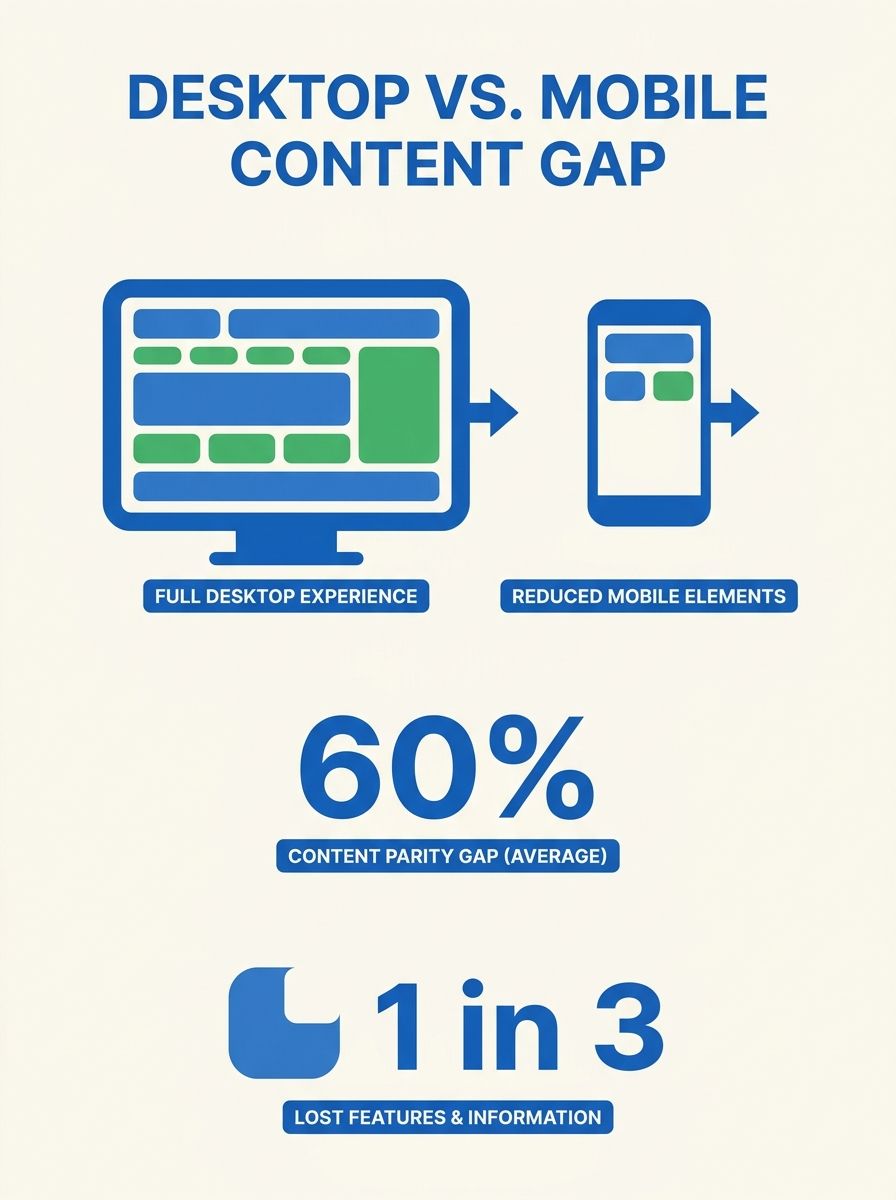
Google's Googlebot Smartphone crawler evaluates mobile pages to determine what information gets indexed, the guide states. Websites that display reduced content on mobile devices—including fewer images, abbreviated text, incomplete structured data, or simplified navigation compared to desktop—risk having Google miss critical information during the indexing process.
The framework specifies that both desktop and mobile versions must provide consistent content, metadata, structured data, internal links, and media. "If your mobile pages contain less content, missing images, incomplete structured data, or poor navigation compared to the desktop version, Google may not process all of your important information," the guide states.
W3era identifies responsive design as the recommended approach for maintaining content parity, citing ease of maintenance compared to separate mobile URLs or dynamic serving configurations. The agency's checklist includes verification that product specifications, customer reviews, buying guides, FAQ sections, and related-product links appear identically across device types.
Technical Elements Subject to Mobile Evaluation
Structured data implementation receives specific attention in the published framework. The guide directs website owners to ensure that schema markup for products, articles, local businesses, and events exists on mobile pages in the same format deployed on desktop versions.
Metadata requirements include matching title tags, meta descriptions, and canonical tags across devices. Internal linking structures must mirror desktop navigation patterns, the guide states, with all category pages, product links, and content hubs accessible to smartphone users.
Page speed performance on mobile devices affects both crawlability and user experience, according to the framework. W3era recommends regular technical audits to identify Mobile-First Indexing issues before they affect search visibility, aligning with Google's documented quality assessment practices for indexing decisions.
Mobile-First Versus Mobile-Friendly Distinction
The guide distinguishes between mobile-first indexing and mobile-friendly design. A mobile-friendly website displays properly on smartphones but may still contain less content than its desktop counterpart. Mobile-first indexing requires feature parity—the same informational depth and technical implementation regardless of device.
This distinction affects how businesses should evaluate SEO agency proposals and technical audits. Agencies that focus exclusively on responsive layout without verifying content consistency may overlook indexing gaps that suppress visibility, the framework suggests.
W3era's publication reflects broader industry shifts toward AI-powered search systems that layer atop traditional Google ranking, where mobile content serves as the foundational input for both conventional and generative search results.
Why This Matters Now
Business owners and CMOs evaluating SEO agencies in 2026 face a technical landscape where mobile-first indexing serves as table stakes rather than competitive advantage. The W3era framework provides a verification checklist for determining whether current agency partners have audited mobile content parity or focused solely on visual responsiveness.
The guide's emphasis on content consistency directly affects how brands should structure website migration projects and CMS platform selections. Platforms that default to hiding content on mobile devices—through accordion menus, tabbed sections, or progressive disclosure patterns—require deliberate configuration to maintain indexing equity with desktop versions.
For organizations managing SEO in-house, the published framework offers a technical audit sequence that precedes ranking analysis. Identifying missing mobile elements before investigating visibility declines prevents misattribution of performance issues to algorithm changes rather than indexing gaps.
Marcus Webb
Digital marketing consultant and agency review specialist. With 12 years in the SEO industry, Marcus has worked with agencies of all sizes and brings an insider perspective to agency evaluations and selection strategies.
Related Articles

SEO Agency Excell Industries Publishes 2026 Trends Framework Emphasizing AI-Powered Search and Core Web Vitals
Digital marketing agency Excell Industries published an SEO trends framework on August 21 identifying AI-powered search optimization, user intent alignment, and Core Web Vitals performance as dominant ranking factors heading into the second half of 2026, according to a guide posted to the firm's web

The Mobile-First SEO Audit: Why Agencies Miss Screen Optimization Before Ranking Recovery
A desktop page carrying 1,500 words and rich schema markup that renders as a 400-word stripped-down version on mobile will rank based on the thin mobile version, because Google indexes mobile, not desktop.

SEO Platform GadgetsFarms Publishes Website Migration Framework Detailing Redirect Strategy and Traffic Protection
GadgetsFarms published a website migration framework on August 27 addressing URL inventory management, redirect mapping, and organic traffic preservation during platform moves, according to the guide released on the platform's blog.
Explore more topics