
Google Redesigns Search Around AI Agents in Largest Platform Overhaul Since 2001
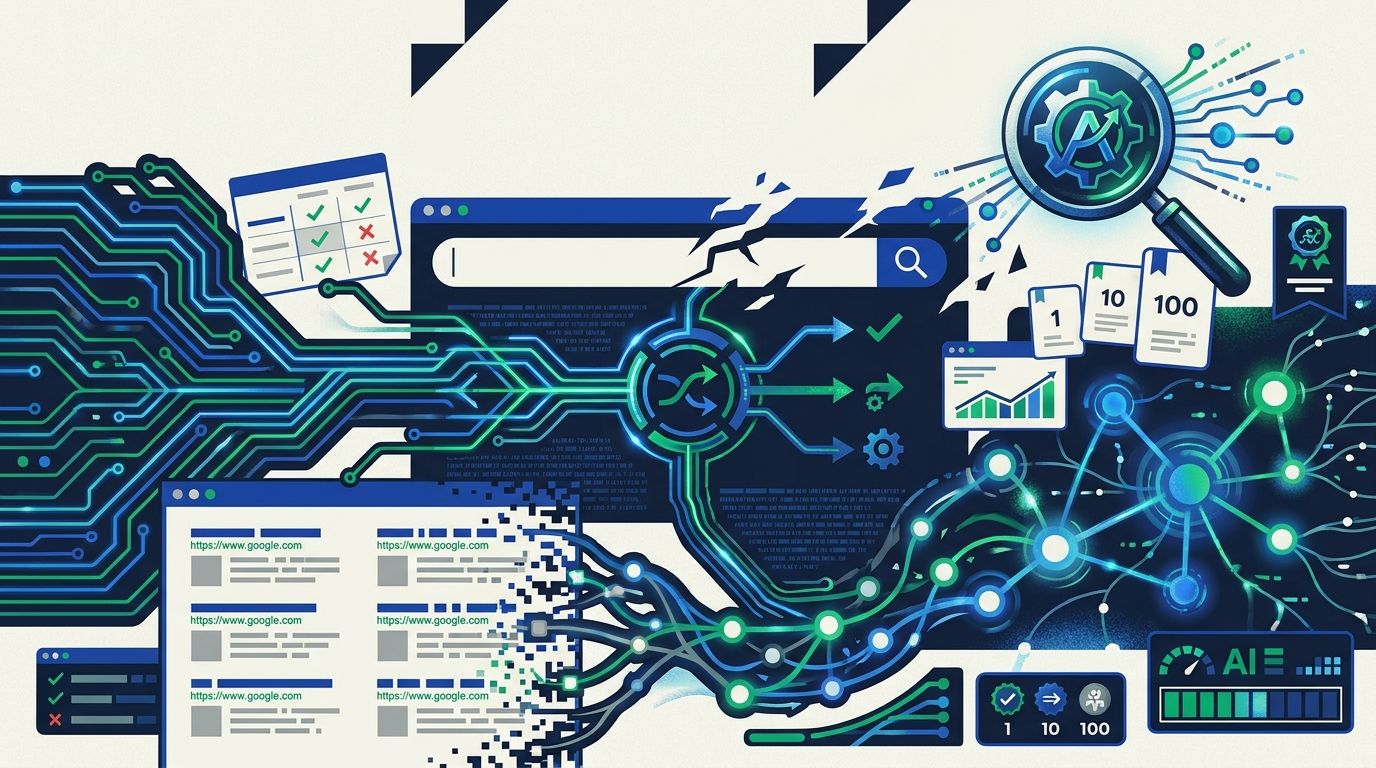
Google announced a fundamental redesign of its Search platform at Google I/O 2026, introducing AI agents, conversational interactions, and custom-generated interfaces in what the company described as the biggest update to the search box in more than 25 years, according to Storyboard18.
 Marcus Webb··2 min read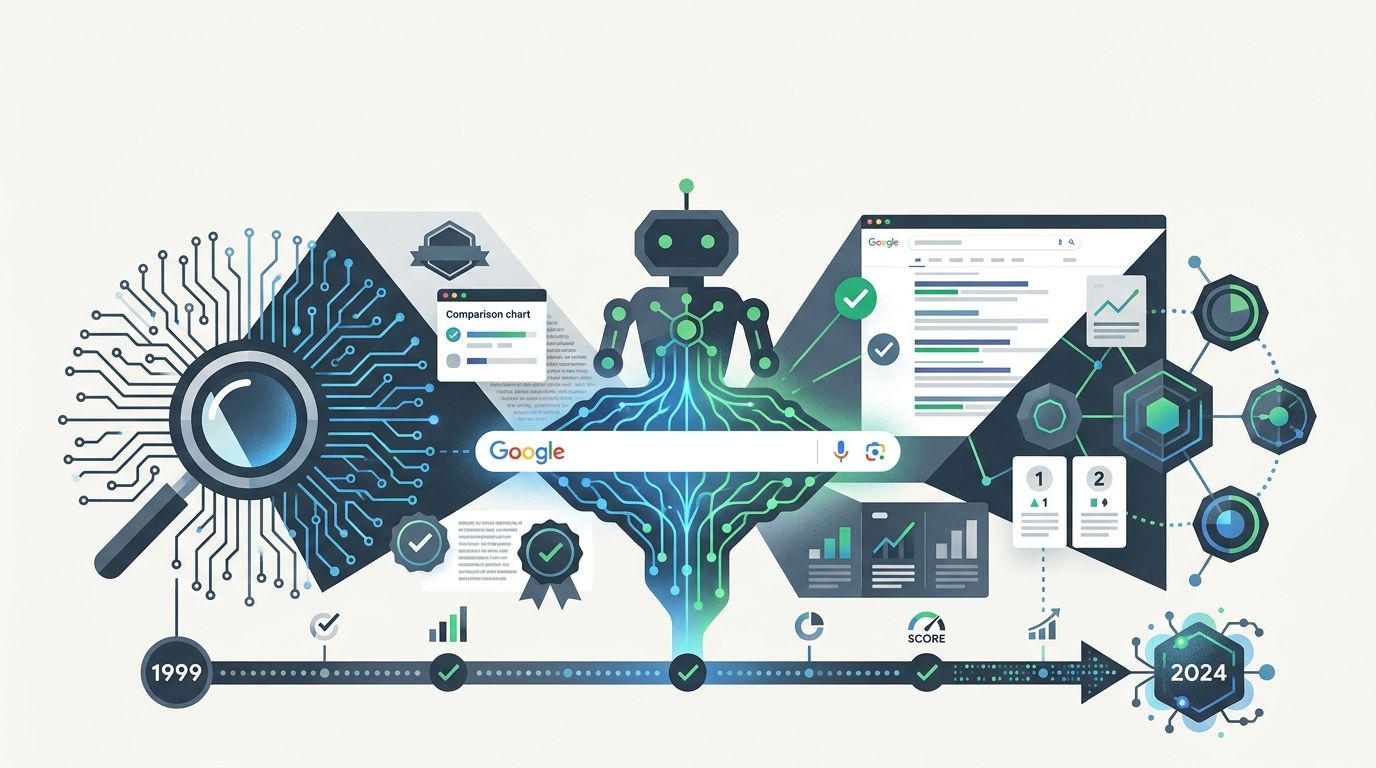
Google Redesigns Search Around AI Agents in Largest Platform Overhaul Since 2001
Google announced a fundamental redesign of its Search platform at Google I/O 2026, introducing AI agents, conversational interactions, and custom-generated interfaces in what the company described as the biggest update to the search box in more than 25 years, according to Storyboard18.
The changes move Search beyond traditional keyword-based queries toward continuous assistance, with AI agents monitoring information in the background and building personalized dashboards around recurring tasks such as apartment hunting, product tracking, and event planning.
Search Box Receives First Major Redesign Since 2001
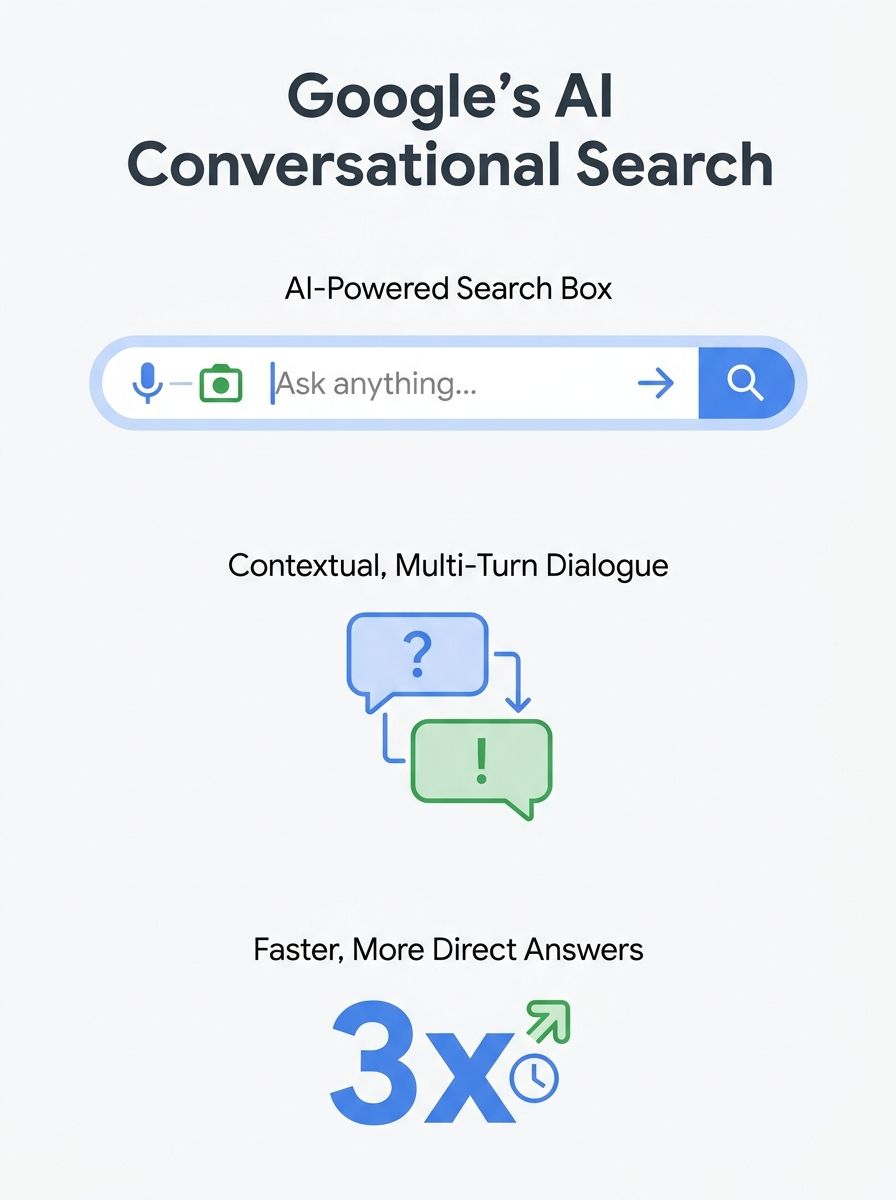
The redesigned search interface accepts text, images, videos, files, and open Chrome tabs as input, replacing the keyword-focused entry field that has defined Google Search since its launch. AI-powered suggestions now help users frame longer, more specific questions beyond conventional autocomplete predictions.
Users can conduct follow-up queries directly from AI Overviews while maintaining context across interactions, creating conversational exchanges rather than isolated searches. The company positioned the update as the largest structural change to the search experience in over two decades.
AI Mode Reaches 1 Billion Monthly Users as Query Volume Doubles
Google's AI Mode surpassed 1 billion monthly active users, with query volumes more than doubling every quarter since launch, the company reported at the conference. Search activity reached an all-time high in the most recent quarter as users increasingly shifted toward AI-driven interactions.
The growth figures indicate rapid adoption of conversational search interfaces over traditional link-based results. Google did not disclose what percentage of total search queries now route through AI Mode or how the shift affects organic traffic distribution to publisher sites.
AI Agents Enable Continuous Monitoring Without Repeated Searches
Google introduced information agents designed to track evolving topics and surface updates without requiring users to manually re-run searches. Users searching for apartments can specify requirements once, then allow Search to continuously scan new listings and notify them of matches.
The company demonstrated agents that monitor product launches, sports updates, and other real-time topics in the background. Search also gained the ability to generate personalized dashboards and interactive mini-apps for ongoing tasks such as wedding planning, home moves, or fitness tracking.
The agent functionality represents a structural departure from the query-response model that has defined search engines since the 1990s, moving toward persistent assistant relationships similar to those emerging in B2B agency strategy for AI assistants.
Why This Matters Now
The shift from keyword queries to AI agents and conversational search directly impacts how businesses and agencies approach visibility strategy. Traditional SEO centered on ranking for discrete keyword sets; Google's redesign suggests a future where search operates as an ongoing dialogue and task manager rather than a list-retrieval system.
Agencies advising clients must now account for visibility within conversational contexts, background monitoring systems, and custom-generated dashboards that may never display traditional blue-link results. The changes align with broader industry movement toward answer engine optimization frameworks that prioritize structured data, entity clarity, and conversational relevance over keyword density.
For CMOs and business owners evaluating SEO services, the Google I/O announcements signal that agencies still focused exclusively on keyword rankings may lack competency in the AI-driven search landscape that now accounts for over 1 billion monthly users. Competitive positioning in 2026 requires understanding how businesses appear in AI-generated responses, monitoring agents, and personalized task interfaces—not just traditional SERP positions.
Marcus Webb
Digital marketing consultant and agency review specialist. With 12 years in the SEO industry, Marcus has worked with agencies of all sizes and brings an insider perspective to agency evaluations and selection strategies.
Related Articles
Google Deploys Autonomous Search Agents in Largest Platform Redesign Since 2001
Google announced its largest search engine update in 25 years on May 19, 2026, integrating autonomous AI agents that execute multi-step tasks, monitor topics in the background, and deliver proactive alerts without requiring user-initiated queries, according to the company's blog announcement at Goog
Google Announces AI-Powered Search Engine Running on Gemini Model at I/O 2026
Google announced at its I/O 2026 developer conference that Search will transition to an AI-powered answer engine running on the Gemini 2.5 Flash model, marking what the company described as its largest search overhaul in 25 years, according to coverage published July 13 by Laire Digital.
Google's Shift From Search Tool to AI Agent Signals Fundamental Web Economics Change, According to Demand Gen Analyst
Google is replacing its search engine with an autonomous AI agent system rather than updating the existing platform, according to an analysis published May 25, 2026 by Veronika Höller, Head of Demand Generation at Tresorit and co-founder of Your PPC Doctor. The assessment on ppc.land characterizes G
Explore more topics