
Google Announces AI-Powered Search Engine Running on Gemini Model at I/O 2026
Google announced at its I/O 2026 developer conference that Search will transition to an AI-powered answer engine running on the Gemini 2.5 Flash model, marking what the company described as its largest search overhaul in 25 years, according to coverage published July 13 by Laire Digital.
 Marcus Webb··4 min read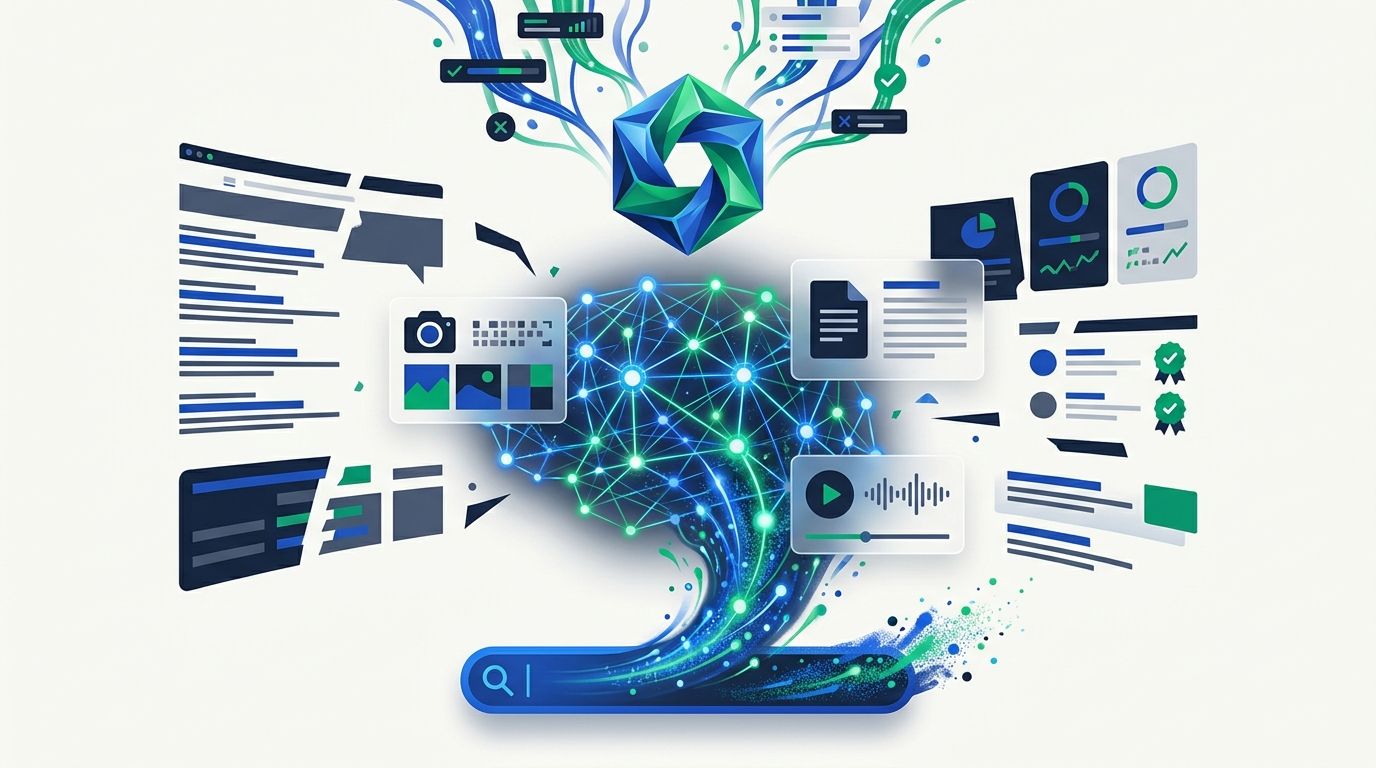
Google Announces AI-Powered Search Engine Running on Gemini Model at I/O 2026
Google announced at its I/O 2026 developer conference that Search will transition to an AI-powered answer engine running on the Gemini 2.5 Flash model, marking what the company described as its largest search overhaul in 25 years, according to coverage published July 13 by Laire Digital. The update introduces AI Mode as the default search experience, persistent search agents that complete tasks on behalf of users, and expanded multimodal search capabilities accepting images, documents, and videos as query inputs.
The announcement signals a fundamental architecture shift from information retrieval to task completion. Google characterized the update as transforming Search from a list of ranked links into an AI workspace capable of understanding context, reasoning through complexity, and executing multi-step workflows without human intervention.
Search Transitions from Link Lists to AI Answer Engine
Google's new search architecture processes longer, conversational queries that reflect natural thought patterns rather than keyword strings. The redesigned search box accepts complex, multi-layered questions that would have broken traditional search query syntax, according to the announcement. Users can submit questions in full paragraphs and receive synthesized answers rather than lists of websites to visit.
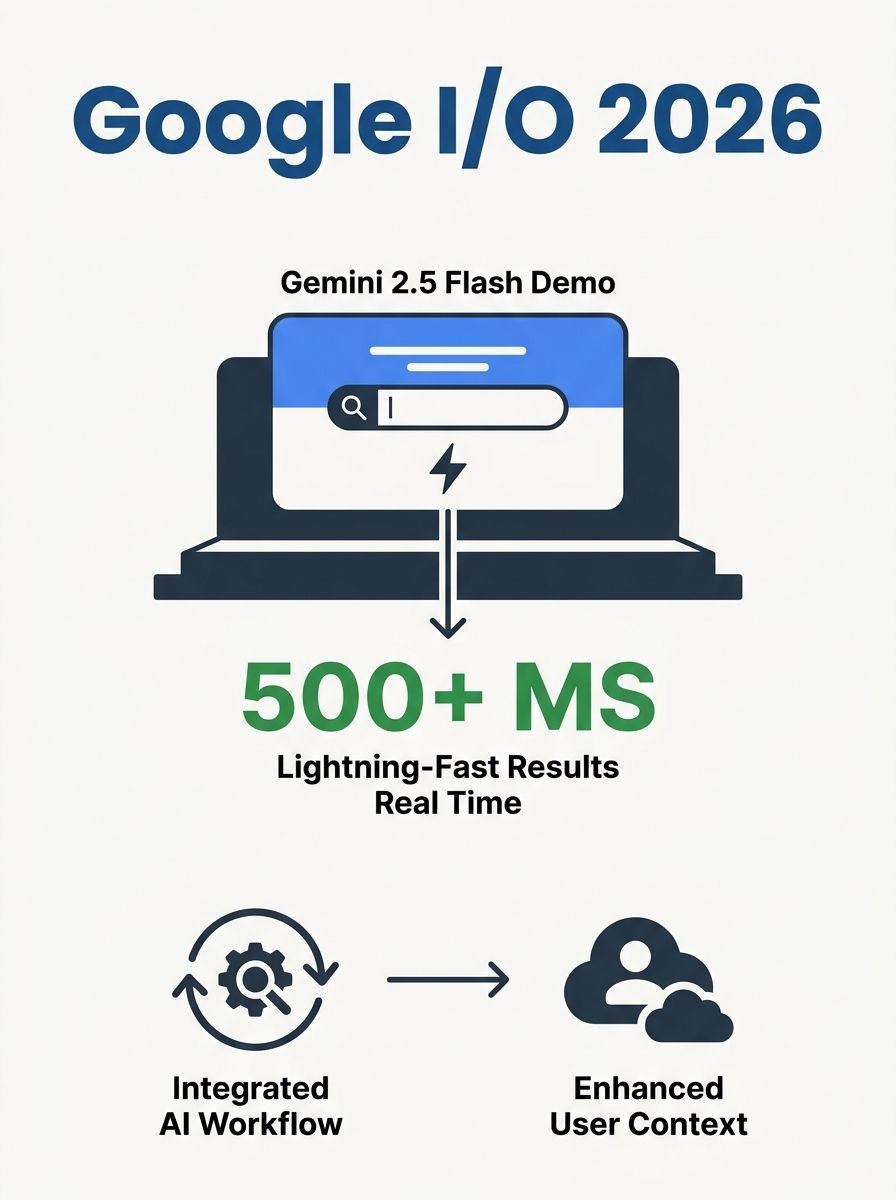
The Gemini 2.5 Flash model powers the conversational interface with what Google described as faster reasoning and sharper contextual understanding compared to previous versions. The model handles interconnected follow-up queries without requiring users to restart searches, creating persistent dialogue sessions.
Zero-click searches are expected to increase as AI Mode surfaces direct answers within the search interface. Informational content built to earn quick visits faces reduced click-through rates when AI-generated responses satisfy user intent without requiring a website visit. The shift moves competitive advantage from ranking position to citation frequency—brands referenced by AI Mode gain visibility even when users never click through to source pages.
This dynamic mirrors findings published earlier this month showing first-position Google rankings now deliver 58% fewer clicks than the same rankings delivered before AI Overviews began appearing in search results.
AI Mode Becomes Default Search Interface
AI Mode creates a tailored conversational search experience that processes queries as ongoing dialogues rather than isolated requests. Users can continue refining questions and exploring subtopics within a single session, with the AI model maintaining context across the conversation thread.
The interface builds on AI Overviews, which Google introduced in prior updates as an optional feature. AI Mode expands the conversational capability and shifts it from supplementary to primary, according to the announcement. The Gemini 2.5 Flash model underpinning the experience was designed specifically for speed and contextual accuracy in search applications.
Google demonstrated AI Mode handling complex research queries that would traditionally require multiple separate searches and manual synthesis across dozens of sources. The system generates comprehensive responses drawing from multiple websites while citing sources inline.
Search Agents Introduced for Task Completion
Google introduced search agents as AI systems that perform persistent research and monitoring on behalf of users. The agents track topics as they develop, monitor products for price or availability changes, gather updates automatically over time, and complete multi-step research workflows without repeated prompting.
Search agents operate independently after initial setup. Users define a research task or monitoring goal, and the agent continues working in the background, surfacing relevant updates as conditions change. Google demonstrated examples including event tracking, product monitoring, and competitive research that would otherwise require hours of manual effort.
The introduction of autonomous search agents shifts the target audience for digital content. Websites may be evaluated first by AI agents assessing credibility and authority on behalf of human users who never directly visit the site. Machine-readable content structure, clear entity signals, and demonstrated expertise become functional requirements rather than optimization tactics.
Multimodal Search Expands Query Input Methods
Google's updated search box accepts images, documents, videos, and open browser tabs as query inputs alongside traditional text. Users can now search using visual references, upload files for analysis, or reference content from active Chrome tabs without manually describing what they're searching for.
The multimodal capability extends search behavior beyond keyword entry. Visual assets, video content, and document files become first-class search inputs rather than supplementary media. The expansion creates new discovery pathways where users find content through image similarity, document analysis, or video scene matching.
For content creators and marketers, the update elevates visual and multimedia assets from supporting elements to independent search entry points. Images, videos, and downloadable documents now require the same optimization attention previously reserved for written content. Metadata, alt text, file naming conventions, and topical alignment become critical for visibility across expanded search modalities.
Reading Between the Lines
The Google I/O announcements force a strategic recalibration for agencies and marketing teams built around traditional SEO workflows. The shift from "Do we rank?" to "Are we cited by AI?" requires different measurement frameworks, content strategies, and client reporting structures. Agencies that continue optimizing solely for blue-link rankings while AI Mode becomes the default experience will find themselves defending declining traffic metrics without a clear path to recovery.
The introduction of search agents creates an uncomfortable reality: your content may be evaluated by AI before any human sees it. Thin content, keyword-stuffed pages, and superficial topic coverage that once satisfied basic ranking algorithms now fail against AI systems assessing topical depth and expertise. Mid-market businesses relying on informational content to drive top-of-funnel traffic face the steepest adjustment—zero-click AI answers eliminate the click that used to start the customer journey.
The marketers who adapt fastest will be those who treat AI citation as a first-class metric alongside rankings, build comprehensive topical coverage instead of chasing individual keywords, and invest in machine-readable content structure that AI agents can parse and trust. The question isn't whether to adjust strategy—it's whether to adjust now or after competitors already have.
Marcus Webb
Digital marketing consultant and agency review specialist. With 12 years in the SEO industry, Marcus has worked with agencies of all sizes and brings an insider perspective to agency evaluations and selection strategies.
Related Articles
Google Replaces Traditional Search with Gemini 3.5 Flash AI Model in Self-Described "Biggest Change in 25 Years"
Google replaced its traditional search results interface with AI-generated summary pages powered by the Gemini 3.5 Flash language model, the company announced June 20, 2026, calling the shift "the biggest change to Search in 25 years," according to the company's announcement. The new system replaces
Google Redesigns Search Around AI Agents in Largest Platform Overhaul Since 2001
Google announced a fundamental redesign of its Search platform at Google I/O 2026, introducing AI agents, conversational interactions, and custom-generated interfaces in what the company described as the biggest update to the search box in more than 25 years, according to Storyboard18.
Google Deploys Autonomous Search Agents in Largest Platform Redesign Since 2001
Google announced its largest search engine update in 25 years on May 19, 2026, integrating autonomous AI agents that execute multi-step tasks, monitor topics in the background, and deliver proactive alerts without requiring user-initiated queries, according to the company's blog announcement at Goog
Explore more topics