
TrySight.ai Publishes 6-Tool Evaluation of LLM Search Optimization Platforms as AI Visibility Category Matures
TrySight.ai published a comparative evaluation of six large language model search optimization platforms on July 12, 2026, covering tools that track brand mentions across AI assistants, generate content optimized for AI citations, and automate indexing for AI crawlers, according to the guide.
 Marcus Webb··3 min read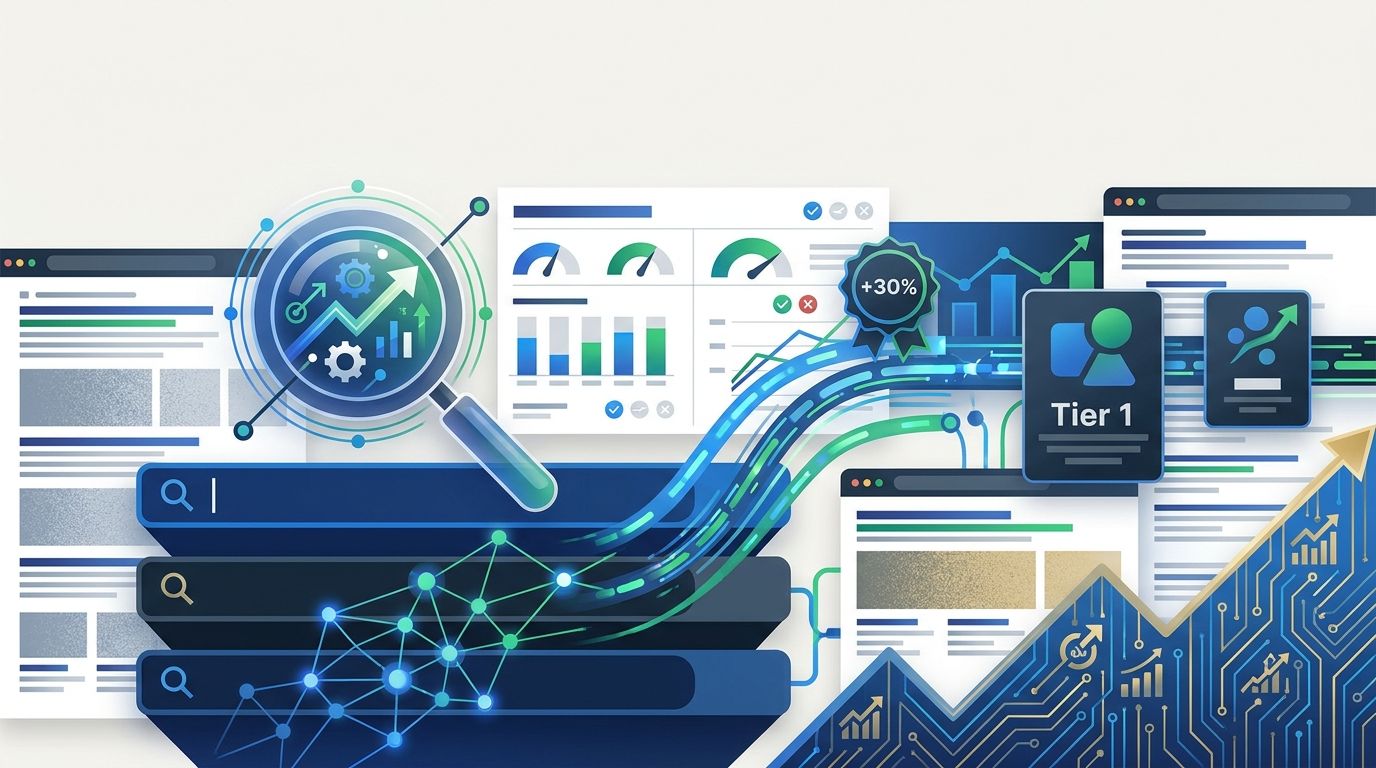
TrySight.ai Publishes 6-Tool Evaluation of LLM Search Optimization Platforms as AI Visibility Category Matures
TrySight.ai published a comparative evaluation of six large language model search optimization platforms on July 12, 2026, covering tools that track brand mentions across AI assistants, generate content optimized for AI citations, and automate indexing for AI crawlers, according to the guide. The evaluation assessed platforms on AI visibility tracking capabilities, content generation features, indexing automation, and overall value as the category continues to mature in 2026.
What the Evaluation Covers
The guide evaluates platforms designed specifically for optimizing brand presence in AI-generated search responses, distinct from traditional SEO tools that focus on Google's blue-link results. "AI-powered search has fundamentally changed how brands get discovered," the guide states, noting that user queries to ChatGPT, Claude, or Perplexity yield answers shaped by LLM search optimization rather than conventional Google rankings.
TrySight.ai assessed each platform across four primary dimensions: AI visibility tracking across multiple language models, content generation capabilities specifically for generative engine optimization (GEO), automated indexing and submission to AI crawlers, and pricing relative to feature depth. The evaluation positions LLM search optimization platforms as addressing a workflow gap for marketers who previously needed separate tools for monitoring AI mentions, creating optimized content, and managing indexing.
The guide follows growing attention to AI search visibility strategies as business research behavior shifts toward AI assistants and away from traditional search engines.
Platform Capabilities Highlighted in the Guide
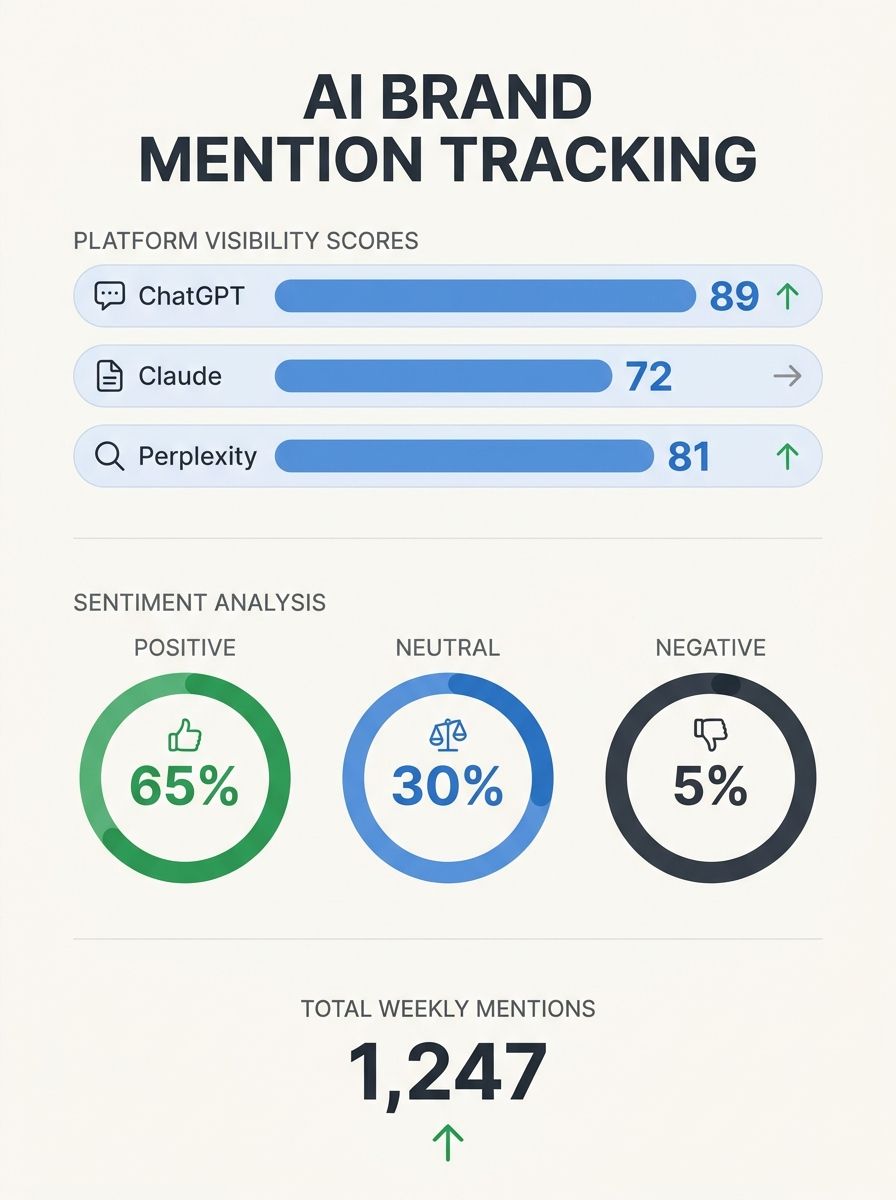
Sight AI, positioned as the all-in-one option in the evaluation, combines AI visibility tracking across six-plus AI models, content generation via 13 specialized AI agents, and automated indexing through IndexNow integration, according to the guide. The platform's AI Visibility Score feature tracks brand mentions systematically across ChatGPT, Claude, Perplexity, and three additional AI platforms while surfacing sentiment data alongside mention frequency.
Promptwatch received top marks for prompt-level intelligence, offering granular tracking of how language models respond to specific branded and category queries. The platform alerts users when AI responses shift around key queries and surfaces which prompts do and do not surface the brand, according to the evaluation.
Profound targets enterprise marketing teams and agencies with multi-brand management capabilities and reporting dashboards built for stakeholder presentations, the guide states. The platform measures share of voice in AI-generated answers and enables performance tracking across multiple client accounts simultaneously.
The evaluation notes that most teams attempting LLM search optimization currently "end up stitching together three or four separate tools" for monitoring, content creation, and indexing, a workflow inefficiency that unified platforms aim to resolve.
Emergence of Specialized Tooling for AI Search
The publication of a dedicated platform evaluation signals continued category maturation for LLM search optimization tools, which have emerged as AI assistants become primary discovery channels for brand research. The guide positions these platforms as addressing capabilities that traditional SEO tools do not natively support, particularly real-time monitoring of brand characterization across multiple language models and content generation optimized specifically for AI citation rather than search engine ranking.
TrySight.ai's positioning as both evaluator and evaluated platform—Sight AI is the first tool reviewed in the guide—follows a pattern seen in software category comparisons where vendors publish competitive analyses that include their own product. The guide uses first-person language ("Where This Tool Shines") and includes promotional framing alongside technical capability descriptions.
The timing of the evaluation aligns with growing emphasis on AI answer optimization among enterprise SEO teams and agencies adapting workflows to the dual-search environment where both traditional rankings and AI citations drive discovery.
What This Means for Business Owners
Business owners evaluating SEO agencies should now expect vendor conversations to include specific capabilities and tooling for LLM search optimization, not just traditional Google ranking strategies. The emergence of dedicated platforms for tracking AI mentions, generating GEO-optimized content, and managing AI crawler indexing indicates the category has moved beyond experimental tactics into standardized workflow requirements for visibility management in 2026.
When assessing agency proposals, marketing managers should ask which LLM search optimization tools the agency uses, how frequently they monitor brand mentions across AI platforms, and whether they track sentiment and prompt-level performance or only mention frequency. Agencies still relying exclusively on traditional SEO tools may lack visibility into how AI assistants characterize your brand when users ask category-level questions.
CMOs should recognize that optimizing for AI search requires distinct content strategies and measurement frameworks beyond what drives Google rankings. The platforms evaluated in the TrySight.ai guide represent specialized tooling designed for this parallel visibility challenge—and the fact that a comparative evaluation now exists suggests the market has matured enough that vendor selection rather than category viability is the current question.
Marcus Webb
Digital marketing consultant and agency review specialist. With 12 years in the SEO industry, Marcus has worked with agencies of all sizes and brings an insider perspective to agency evaluations and selection strategies.
Related Articles
TrySight.ai Publishes Step-by-Step Framework for Optimizing Content Visibility in AI Search Platforms
TrySight.ai released a three-stage content optimization framework on August 2 designed to position brand content for citation in AI-powered search platforms including ChatGPT, Claude, and Perplexity, according to a guide published on the company's website.
Cloviana Publishes Comprehensive AI Search Optimization Framework as B2B Buyer Research Shifts to ChatGPT and AI Platforms
Cloviana published a comprehensive guide to AI search optimization on June 25, 2026, outlining how B2B brands can optimize for visibility in AI-generated answers across ChatGPT, Claude, Perplexity, Google AI Overviews, and Gemini as 71% of B2B buyers now rely on AI chatbots for software research, ac
HubSpot Publishes Six-Field Audit Framework for Measuring Brand Visibility Across AI Search Platforms
HubSpot published a six-field audit methodology September 4 that quantifies brand visibility across ChatGPT, Claude, Gemini, and Perplexity by distinguishing between passive mentions and active recommendations, according to a sponsored framework published on Search Engine Journal.
Explore more topics