
Cloviana Publishes Comprehensive AI Search Optimization Framework as B2B Buyer Research Shifts to ChatGPT and AI Platforms
Cloviana published a comprehensive guide to AI search optimization on June 25, 2026, outlining how B2B brands can optimize for visibility in AI-generated answers across ChatGPT, Claude, Perplexity, Google AI Overviews, and Gemini as 71% of B2B buyers now rely on AI chatbots for software research, ac
 Marcus Webb··4 min read
Cloviana Publishes Comprehensive AI Search Optimization Framework as B2B Buyer Research Shifts to ChatGPT and AI Platforms
Cloviana published a comprehensive guide to AI search optimization on June 25, 2026, outlining how B2B brands can optimize for visibility in AI-generated answers across ChatGPT, Claude, Perplexity, Google AI Overviews, and Gemini as 71% of B2B buyers now rely on AI chatbots for software research, according to the guide.
The guide defines AI search optimization as "the practice of making your brand visible and recommended inside AI-generated answers" rather than optimizing for ranked positions on traditional search results pages. The publication distinguishes three overlapping terms: generative engine optimization (GEO) for earning citations inside AI chatbot responses, answer engine optimization (AEO) for capturing featured snippets and AI overview boxes, and AI search optimization as the umbrella category covering both approaches.
Buyer Behavior Shift Documented in G2 and Forrester Data
The guide cites G2's 2026 AI Search Insight Report showing 71% of B2B buyers now rely on AI chatbots for software research, up from approximately 60% seven months earlier, according to Cloviana's analysis. More significantly, 51% of buyers now start software research with an AI chatbot more often than Google, the guide states.
The commercial impact is already measurable. G2's report found 69% of B2B software buyers chose a different vendor than initially planned because of guidance from an AI chatbot, while one in three purchased from a vendor they had never previously heard of before, the guide reports. Forrester's 2026 analysis found 94% of B2B buyers now use AI in their buying process, with twice as many naming generative AI or conversational search as their most meaningful information source compared to vendor websites, product experts, or sales representatives.
ChatGPT alone now has more than 800 million weekly active users, up from 500 million in March 2025, the guide notes. "If your brand is not appearing in AI-generated answers when buyers ask questions in your category, you are being filtered out before traditional sales and marketing ever gets a chance to engage them," Cloviana states in the publication.
Technical Framework for AI Engine Visibility
The guide outlines how AI engines select and surface recommendations through three primary mechanisms distinct from traditional Google ranking factors. Query fan-out describes how AI models decompose a single buyer prompt into multiple concurrent sub-queries targeting specific dimensions of the user's question. A prompt like "best reconciliation software for a fintech company" may generate sub-queries about automation capabilities, pricing benchmarks, compliance handling, integration options, and user reviews before merging retrieval results into a final response, the guide explains.
Retrieval-augmented generation (RAG) is the process most AI engines use to augment pre-trained knowledge with real-time web retrieval at the point of generating a response, according to the publication. This mechanism explains why content freshness, technical accessibility, and structured data formatting matter for AI visibility—content buried in JavaScript-rendered tables or image-based infographics will not be cited regardless of underlying authority, Cloviana states.
The guide identifies four categories of trust signals AI engines evaluate: content quality measuring whether pages deliver clear, verifiable, extractable information structured for machine retrieval; author and domain authority reflecting external credibility through third-party references and expert positioning; entity relationships determining whether the model recognizes a brand as a defined entity connected to relevant category terms and competitor names; and freshness reflecting how recently content was updated.
Agencies tracking AI search performance face measurement challenges similar to those documented in cross-engine citation tracking, where visibility across multiple AI platforms requires integrated monitoring beyond traditional Google Analytics. The framework Cloviana published addresses optimization for platforms including ChatGPT, Claude, Perplexity, and Google AI Overviews, all of which use distinct retrieval and ranking mechanisms.
Strategic Positioning for SEO Agencies and In-House Teams
The guide emphasizes that AI search optimization is not a replacement for traditional SEO but "an additional, distinct layer that requires a meaningfully different approach to content structure, off-site presence, entity definition, and measurement." Healthy SEO fundamentals remain the foundation of any AI visibility strategy, Cloviana states.
For SEO companies serving SaaS and tech clients, the guide's framework addresses a gap in existing optimization methodologies. Traditional SEO checklists evaluate ranking factors for Google's blue-link results but do not measure whether content is structured for AI engine retrieval or whether brand entities are defined clearly enough for conversational AI platforms to cite as authorities.
The publication follows broader industry recognition of AI search's impact on organic traffic. Previous analysis showed search traffic to websites fell 25% over the past year as AI overviews and answer boxes absorbed clicks that previously went to traditional organic results, according to a16z data.
Context and Outlook
The Cloviana guide arrives as B2B marketing teams face budget pressure to demonstrate ROI from AI-era optimization strategies without clear attribution models. The 71% buyer adoption figure and 69% vendor-switching rate suggest AI search optimization is no longer experimental—brands absent from AI-generated recommendations are missing early-stage buyer engagement at scale.
For agencies evaluating how to position AI optimization services, the guide provides a technical framework grounded in retrieval mechanics rather than speculative best practices. Query fan-out, RAG processes, and entity relationship signals are documented mechanisms that separate actionable strategy from vendor positioning.
The measurement gap remains the operational constraint. Agencies can optimize content structure and entity definition based on the framework Cloviana published, but confirming whether those optimizations increase citation rates across ChatGPT, Claude, Perplexity, and Google AI Overviews requires tracking infrastructure that most teams lack. Until integrated AI citation measurement becomes standard, agencies will deploy AI optimization strategies with partial visibility into performance outcomes across platforms capturing majority buyer research hours.
Marcus Webb
Digital marketing consultant and agency review specialist. With 12 years in the SEO industry, Marcus has worked with agencies of all sizes and brings an insider perspective to agency evaluations and selection strategies.
Related Articles

TrySight.ai Publishes Step-by-Step Framework for Optimizing Content Visibility in AI Search Platforms
TrySight.ai released a three-stage content optimization framework on August 2 designed to position brand content for citation in AI-powered search platforms including ChatGPT, Claude, and Perplexity, according to a guide published on the company's website.
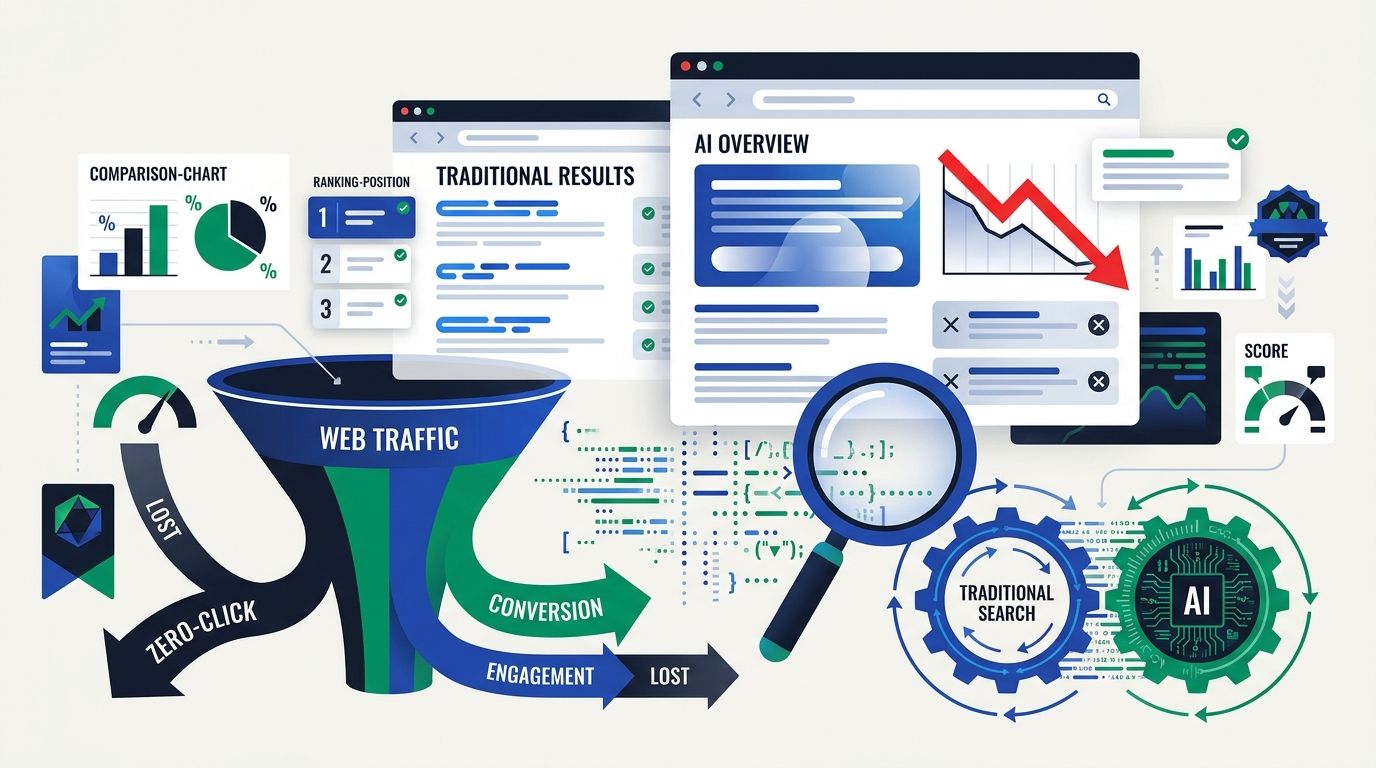
When AI Search Overviews Kill Your Click-Through Rate: Building a Dual-Engine Visibility Strategy for 2026
The "dual-engine SEO strategy" being pitched across agency sales decks right now will double your optimization costs while solving the wrong problem. AI Overviews have crushed organic click-through rates by up to 58% for position-one content, according to Ahrefs data from December 2025.
TrySight.ai Publishes 6-Tool Evaluation of LLM Search Optimization Platforms as AI Visibility Category Matures
TrySight.ai published a comparative evaluation of six large language model search optimization platforms on July 12, 2026, covering tools that track brand mentions across AI assistants, generate content optimized for AI citations, and automate indexing for AI crawlers, according to the guide.
Explore more topics