
HubSpot Publishes Six-Field Audit Framework for Measuring Brand Visibility Across AI Search Platforms
HubSpot published a six-field audit methodology September 4 that quantifies brand visibility across ChatGPT, Claude, Gemini, and Perplexity by distinguishing between passive mentions and active recommendations, according to a sponsored framework published on Search Engine Journal.
 Marcus Webb··4 min read
HubSpot Publishes Six-Field Audit Framework for Measuring Brand Visibility Across AI Search Platforms
HubSpot published a six-field audit methodology September 4 that quantifies brand visibility across ChatGPT, Claude, Gemini, and Perplexity by distinguishing between passive mentions and active recommendations, according to a sponsored framework published on Search Engine Journal. The framework addresses a visibility gap where brands maintain first-page traditional search rankings but receive no citations in AI-generated answers.
Traditional Rankings and AI Citations Operate on Separate Systems
Traditional search engine optimization measures page performance against queries through keyword relevance, backlink profiles, technical site structure, and user engagement signals, the framework states. AI search platforms including ChatGPT, Gemini, and Perplexity generate unique answers by assembling responses from external sources each platform treats as authoritative, creating what HubSpot identifies as "the primary differentiator between AI search visibility and SERP rankings."
The methodology responds to traffic patterns where websites maintain strong traditional rankings while experiencing visitor declines, according to the framework. Users extract information from AI-synthesized answers without clicking through to source sites, though brands still gain awareness value when named or cited in generated responses.
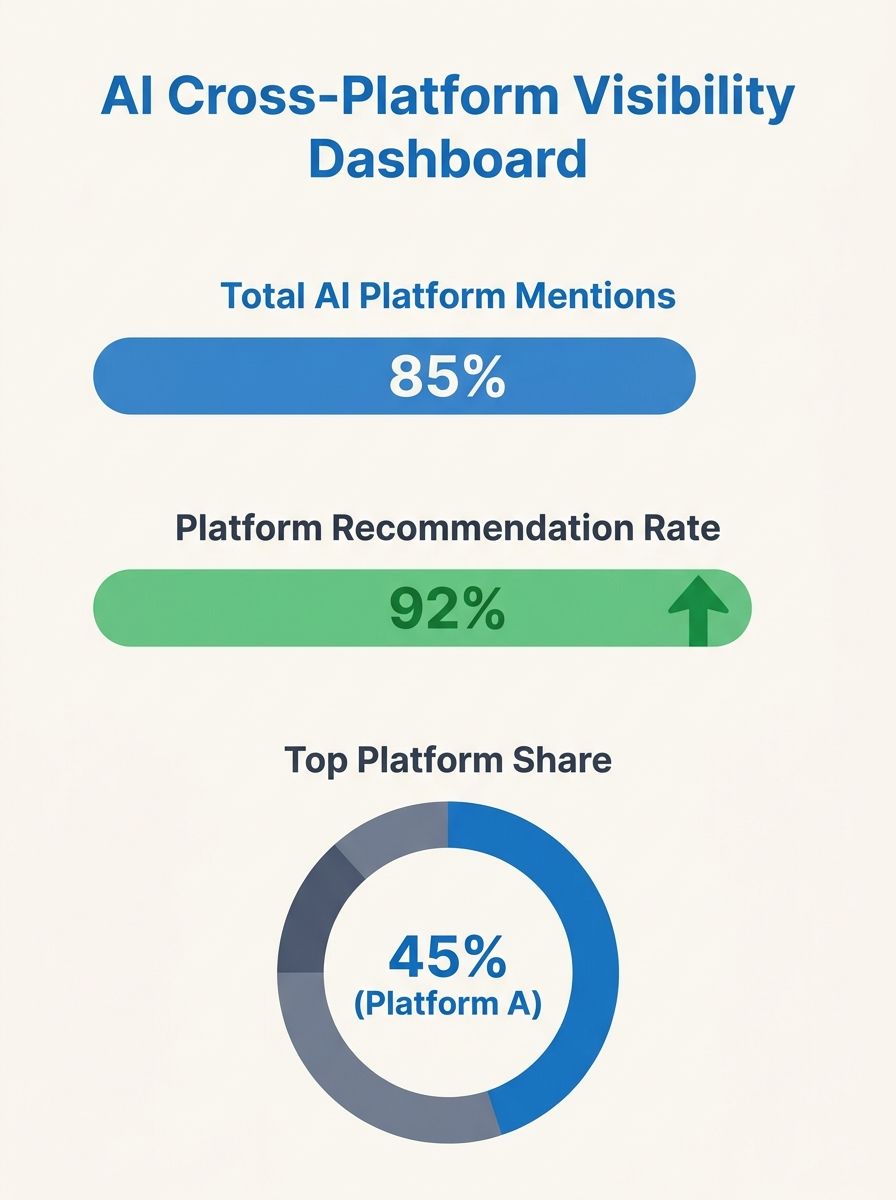
Answer Engine Optimization, defined in the framework as the practice of securing brand mentions and citations inside AI-generated answers, does not replace traditional SEO work. AI platforms still crawl and evaluate sites before using them as sources, making technical health, site structure, schema markup, and content quality foundational requirements, HubSpot notes.
Six-Field Audit Tracks Mentions, Recommendations, and Source Mix
The audit framework tracks six data points per prompt: which AI engine returned the answer, which brands appear in responses, the order brands are named, whether the audited brand receives a mention, whether the brand appears among the first three recommendations, and which domains are cited as sources.
The methodology distinguishes between mentions—where a brand is named somewhere in an AI answer without being positioned as an option—and recommendations, where the AI platform explicitly lists the brand among alternatives a user should consider. "A brand can be mentioned in most answers and recommended in almost none," the framework states. "The recommendation number is the one that tracks with pipeline."
The framework directs users to export commercial-intent queries from Google Search Console covering the previous three months, filtered to queries where average position ranks 10 or better. HubSpot specifies narrowing to terms containing "best," "software," "tool," "platform," "vs," "alternative," "pricing," or category names.
Each extracted keyword then converts into a conversational prompt that includes buyer constraints such as company size, industry, budget, or specific use cases, the framework instructs. "Best dog park near me" becomes "What is the best dog park around 01002 that has enough play space for two Siberian huskies?" in the example HubSpot provides.
Testing Protocol Requires Multiple Runs Per Platform
Users run each rewritten prompt two to three times across each AI platform in incognito mode or temporary chat sessions to prevent account history from influencing results, according to the framework. The answer appearing most frequently becomes the recorded data point.
The resulting audit produces five outputs: mention rate measuring how often a brand appears anywhere in answers, recommendation rate showing how often the brand is actively suggested, share of voice comparing the brand's visibility to competitors, a gap list identifying prompts where the brand receives no visibility, and source mix data revealing which websites contribute information about the brand to AI engines.
HubSpot's commercial AEO platform automates continuous prompt tracking across ChatGPT, Gemini, and Perplexity, the framework notes, eliminating manual quarterly rebuilds of tracking lists. The framework builds on broader answer engine optimization strategies organizations have adopted as AI-powered search platforms reshape visibility metrics, a shift that has prompted marketing teams to restructure roles and reallocate budgets toward AI search optimization.
What This Means for Business Owners
Marketing organizations now face a dual optimization requirement where traditional search rankings no longer guarantee visibility in the answers AI platforms generate for prospective customers. The HubSpot framework provides a measurement protocol for quantifying this gap, but implementation requires dedicated workflow changes: converting keyword lists into conversational prompts, running systematic tests across multiple platforms, and tracking six data fields per query at regular intervals.
The distinction between mentions and recommendations carries strategic weight. Brands that appear frequently in AI answers without being actively recommended to users capture awareness value but lose conversion opportunities, making recommendation rate the metric most directly tied to revenue impact. Organizations evaluating SEO agency partnerships should verify that providers track AI visibility separately from traditional rankings and can report both mention and recommendation rates across platforms.
The framework's reliance on commercial-intent keywords as the starting point assumes brands already maintain traditional search visibility. Companies without established first-page rankings will need to build foundational SEO performance before AI visibility audits yield actionable data, reinforcing that answer engine optimization extends rather than replaces traditional optimization work.
Marcus Webb
Digital marketing consultant and agency review specialist. With 12 years in the SEO industry, Marcus has worked with agencies of all sizes and brings an insider perspective to agency evaluations and selection strategies.
Related Articles

TrySight.ai Publishes Step-by-Step Framework for Optimizing Content Visibility in AI Search Platforms
TrySight.ai released a three-stage content optimization framework on August 2 designed to position brand content for citation in AI-powered search platforms including ChatGPT, Claude, and Perplexity, according to a guide published on the company's website.
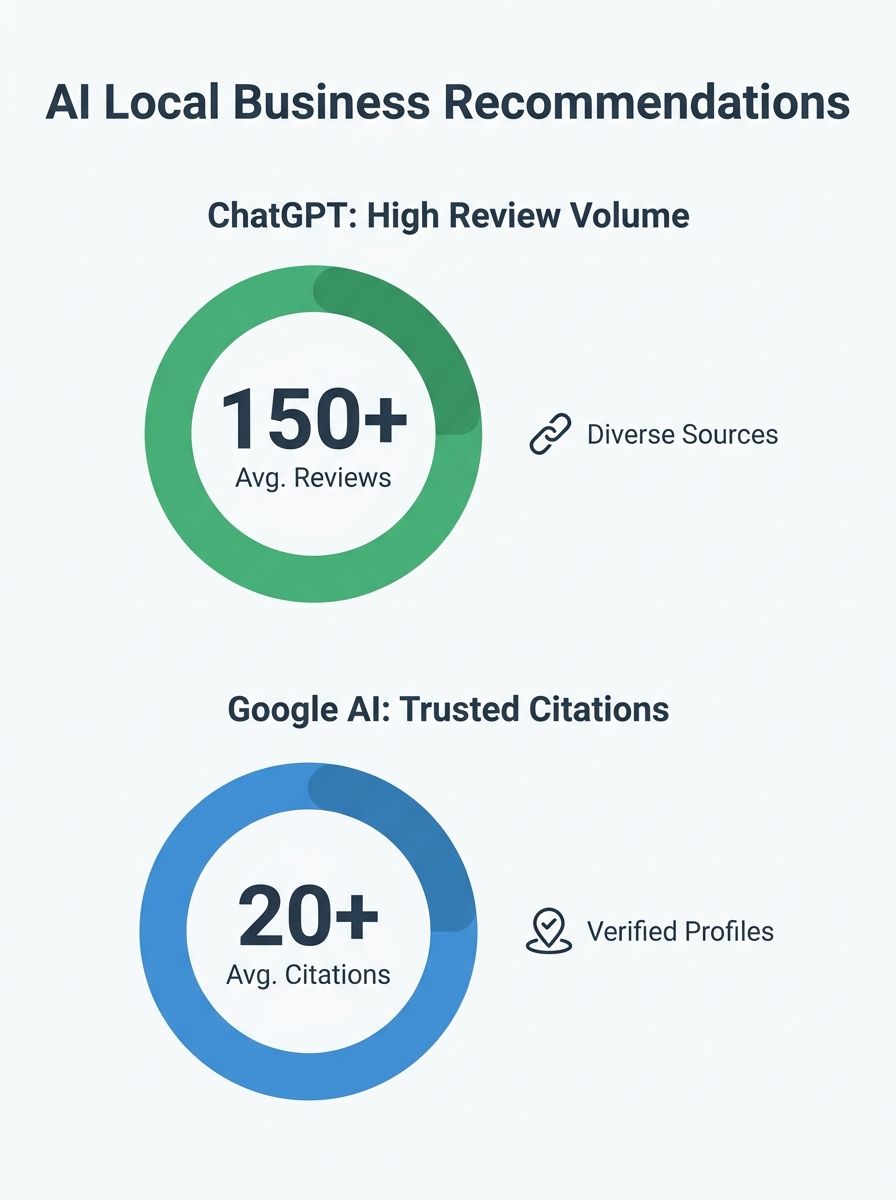
Search Engine Journal Publishes Five-Factor AI Visibility Framework for Local Business Discovery Across ChatGPT and Google AI Overviews
Search Engine Journal published a five-factor optimization framework September 9 targeting local business visibility in ChatGPT and Google AI Overviews, addressing a discovery channel that now reaches 2.
Cloviana Publishes Comprehensive AI Search Optimization Framework as B2B Buyer Research Shifts to ChatGPT and AI Platforms
Cloviana published a comprehensive guide to AI search optimization on June 25, 2026, outlining how B2B brands can optimize for visibility in AI-generated answers across ChatGPT, Claude, Perplexity, Google AI Overviews, and Gemini as 71% of B2B buyers now rely on AI chatbots for software research, ac
Explore more topics