
Google Replaces Traditional Search with Gemini 3.5 Flash AI Model in Self-Described "Biggest Change in 25 Years"
Google replaced its traditional search results interface with AI-generated summary pages powered by the Gemini 3.5 Flash language model, the company announced June 20, 2026, calling the shift "the biggest change to Search in 25 years," according to the company's announcement. The new system replaces
 Marcus Webb··4 min read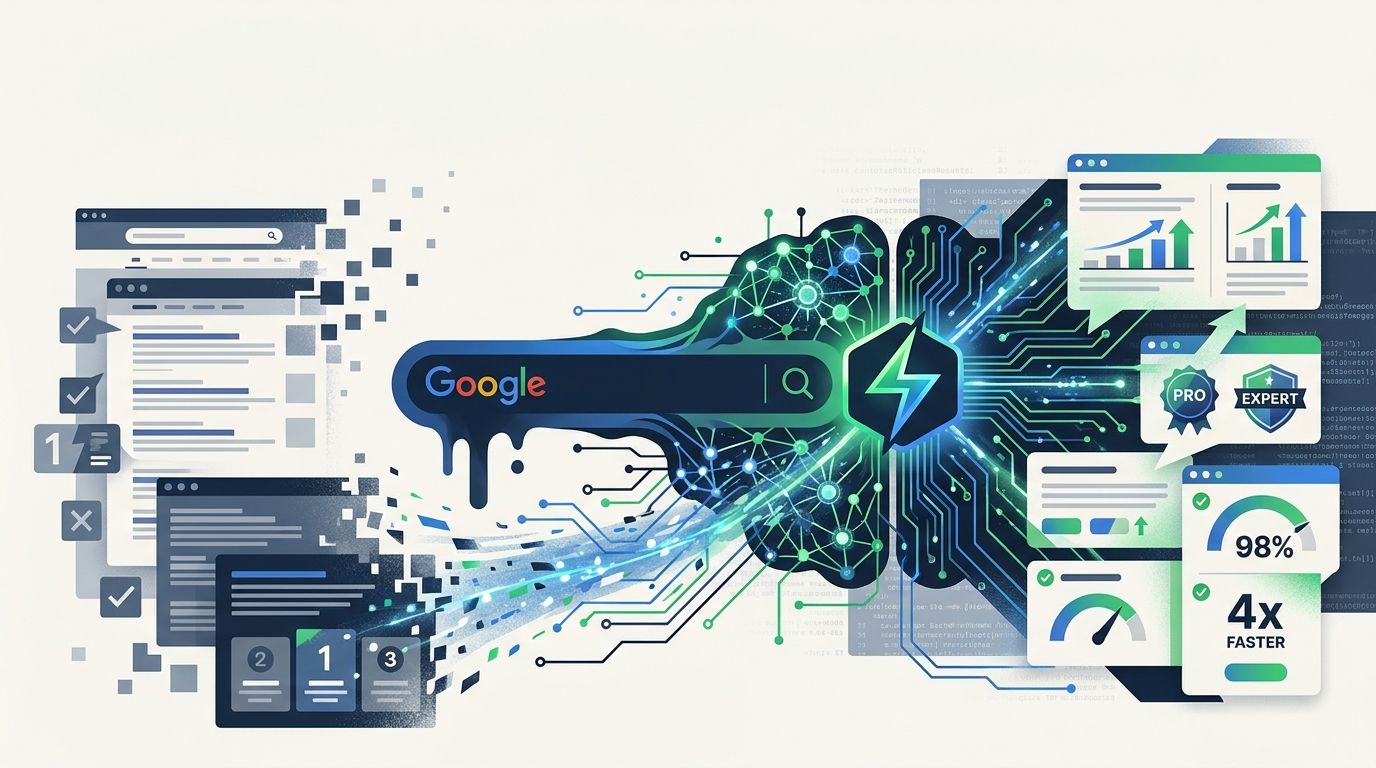
Google Replaces Traditional Search with Gemini 3.5 Flash AI Model in Self-Described "Biggest Change in 25 Years"
Google replaced its traditional search results interface with AI-generated summary pages powered by the Gemini 3.5 Flash language model, the company announced June 20, 2026, calling the shift "the biggest change to Search in 25 years," according to the company's announcement. The new system replaces link-list results with custom-generated answer pages that accept follow-up questions, image uploads, and video inputs.
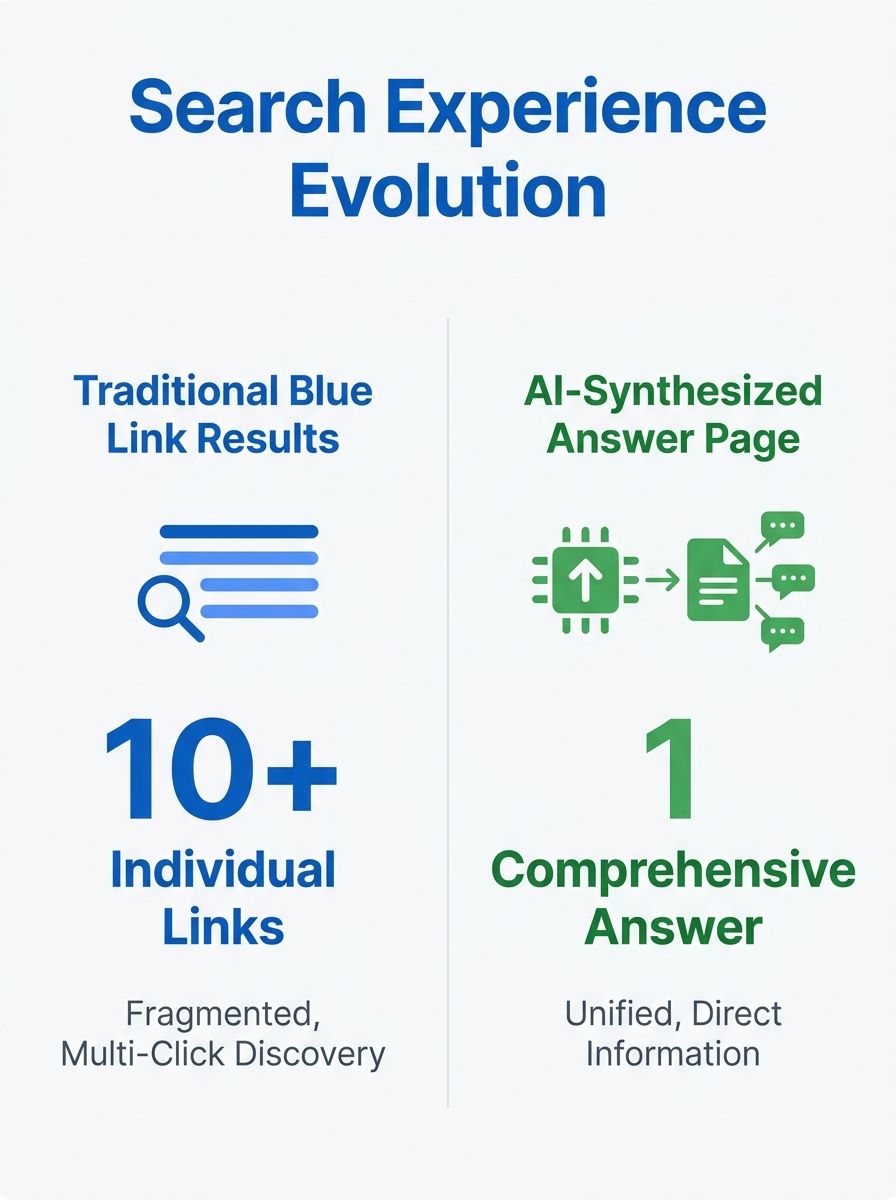
The change fundamentally alters how search queries return information. Where Google previously displayed a ranked list of web pages, the Gemini-powered interface now generates a single custom page synthesizing information from multiple sources, with follow-up conversational capability built into each result.
How the Model Change Works
Google's Gemini 3.5 Flash model processes search queries by generating full-page answers rather than displaying ranked links to external websites. Users can upload images or videos alongside text queries, ask follow-up questions within the same session, and deploy what Google terms "information agents" to run background research tasks while focusing on other work, the announcement stated.
The system accepts multimodal inputs—combining text, image, and video in a single query—and maintains conversational context across multiple follow-up questions. For example, a marketer can upload a product image and request a complete social media strategy, receiving platform-specific copy recommendations, audience targeting suggestions, and campaign timing in a single generated page, according to Google's description of the feature set.
The model also integrates with third-party data sources. An analyst can sync inventory data from Shopify, upload a dashboard screenshot, and ask for trend analysis, receiving a generated summary with identified anomalies and metric recommendations without manually cross-referencing multiple tools, the company said.
Impact on Search Behavior and Traffic
The interface shift eliminates the traditional organic result list that has anchored SEO strategy since Google's 1998 launch. Instead of optimizing for position zero or first-page ranking, content now competes for extraction and citation within a single AI-generated answer page. The change extends the traffic impact documented in recent data showing search traffic to external websites fell 25% over the past year as AI Overviews expanded across result types.
SEO agencies evaluating the shift face three immediate challenges. First, keyword optimization strategies built around ranking in position one through ten no longer map to the new interface, which synthesizes information from multiple sources into a single answer. Second, click-through rate modeling breaks when the result set contains one generated page rather than ten discrete links. Third, attribution tracking becomes more complex when Google cites multiple sources within a single answer rather than directing users to individual pages.
The model change also affects how agencies measure search visibility. Traditional rank tracking tools monitor position for specific keywords; the new interface requires tracking whether content gets cited or extracted within generated answers, a metric existing SEO platforms do not uniformly measure, creating a gap in performance reporting capabilities.
For marketers who previously relied on link-list results to drive traffic, the shift requires rethinking content structure. Google's Gemini model preferentially extracts statistics, direct quotes, and specific data points when generating answers, according to the company's documentation. Content optimized for traditional keyword density may not surface in AI-generated results if it lacks the named entities, attributable quotes, and quantified claims the model prioritizes for extraction, a dynamic Search Engine Journal identified in its analysis of AI search shifts requiring immediate strategy adjustments.
Agencies serving clients in competitive verticals face compressed timelines to adapt content libraries. A B2B manufacturer whose product pages ranked consistently in traditional search may see traffic decline if those pages lack the structured data, quotable claims, and statistic density that Gemini extracts when generating answers about manufacturing specifications or supplier comparisons.
The announcement did not specify whether Google will maintain any traditional link-list results alongside the Gemini-generated pages, leaving agencies uncertain whether to maintain dual optimization strategies or commit fully to extraction-focused content.
What Happens Next
SEO agencies evaluating the Gemini shift should audit existing content for statistic density, named-source attribution, and direct-answer structuring within the next 30 days. Content lacking these elements will likely lose visibility as the AI-generated interface fully replaces traditional results. Agencies should prioritize adding quantified claims with source attribution to high-traffic pages first, then expand to supporting content.
Client education becomes critical. CMOs accustomed to rank-tracking dashboards showing keyword positions will need new reporting frameworks that measure citation frequency within AI-generated answers rather than link placement in traditional results. Agencies that build this reporting capability now gain a retention advantage over firms still delivering legacy rank reports that no longer reflect actual search visibility.
The traffic implications remain uncertain until Google completes the rollout and usage data emerges. Agencies should monitor client analytics for shifts in Google-referred traffic over the next 60-90 days and prepare contingency strategies for scenarios where AI-generated answers reduce site visits by 30-50%, a range consistent with earlier analyses of AI Overview impact on click-through behavior. The firms that move first on extraction optimization and new measurement frameworks will capture the clients whose current agencies wait for "more data" while visibility evaporates.
Marcus Webb
Digital marketing consultant and agency review specialist. With 12 years in the SEO industry, Marcus has worked with agencies of all sizes and brings an insider perspective to agency evaluations and selection strategies.
Related Articles
Google Announces AI-Powered Search Engine Running on Gemini Model at I/O 2026
Google announced at its I/O 2026 developer conference that Search will transition to an AI-powered answer engine running on the Gemini 2.5 Flash model, marking what the company described as its largest search overhaul in 25 years, according to coverage published July 13 by Laire Digital.
Google Deploys Autonomous Search Agents in Largest Platform Redesign Since 2001
Google announced its largest search engine update in 25 years on May 19, 2026, integrating autonomous AI agents that execute multi-step tasks, monitor topics in the background, and deliver proactive alerts without requiring user-initiated queries, according to the company's blog announcement at Goog
Google Launches May 2026 Core Update During I/O Week as Search Box Gets AI-Powered Redesign
Google began rolling out its May 2026 core update on May 21, the second core update this year and the fourth confirmed ranking update of 2026, according to the Google Search Status Dashboard. The rollout coincides with Google I/O announcements including the largest Search box redesign in over 25 yea
Explore more topics