
Google Automatically Expands AI Overviews, Pushing Organic Results Further Down Search Pages
Google now automatically expands AI Overviews at the top of search results pages for certain queries, eliminating the "Show more" button and pushing traditional organic link listings significantly lower on the page, according to a report published August 28 by Search Engine Roundtable.
 Marcus Webb··3 min read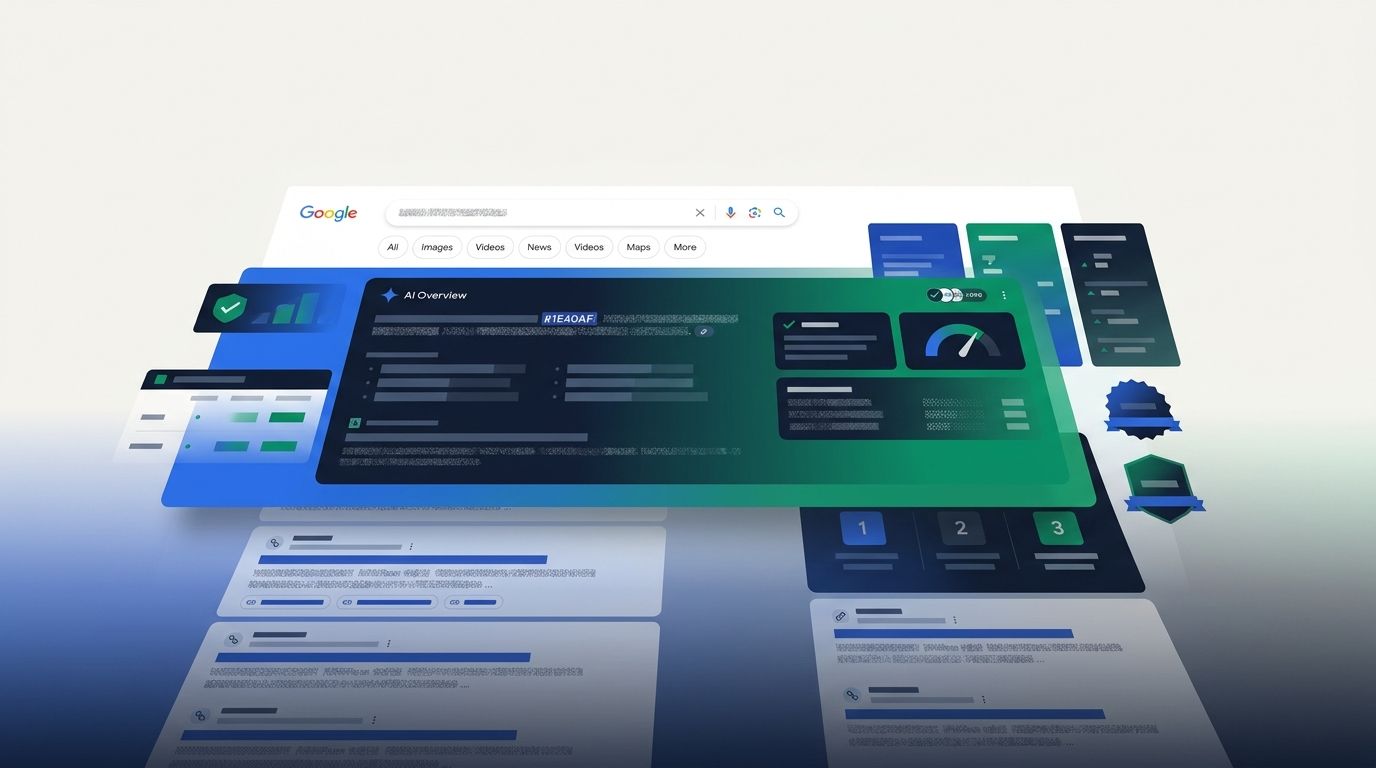
Google Automatically Expands AI Overviews, Pushing Organic Results Further Down Search Pages
Google now automatically expands AI Overviews at the top of search results pages for certain queries, eliminating the "Show more" button and pushing traditional organic link listings significantly lower on the page, according to a report published August 28 by Search Engine Roundtable. The change forces users to scroll past the full AI-generated summary and an "Ask anything" prompt box before reaching standard blue links.
The automatic expansion removes the manual opt-in that previously required users to click a button to see the complete AI Overview. Google spokesperson Jennifer Kutz confirmed the rollout in a statement to The Verge, saying the company's research shows "users find Search more helpful and engage deeper in follow-up exploration" with the expanded format. Kutz added that Google's systems cancel the expansion if a user has already begun scrolling to view content below the AI Overview to avoid disrupting reading position.
Inconsistent Rollout Pattern Suggests Testing Phase
The auto-expansion behavior shows no clear pattern across queries, browsers, or user sessions. Search Engine Roundtable reporters noted that test searches produced inconsistent results, with some queries triggering automatic expansion while identical searches minutes later reverted to the collapsed view with the "Show more" button.
"For some queries, AI Overviews may dynamically expand for topics where our systems determine it's most useful for people," Kutz stated, without specifying the criteria Google uses to make that determination. The company has not disclosed what percentage of searches now trigger the auto-expanded format or how it defines "most useful" in its algorithmic decision-making.
The inconsistency suggests Google is testing the feature with selective rollout rather than implementing it universally. One test query—"what is the best game on switch 2"—consistently triggered auto-expansion during initial testing but showed variable behavior across subsequent searches.
Impact on Organic Search Visibility
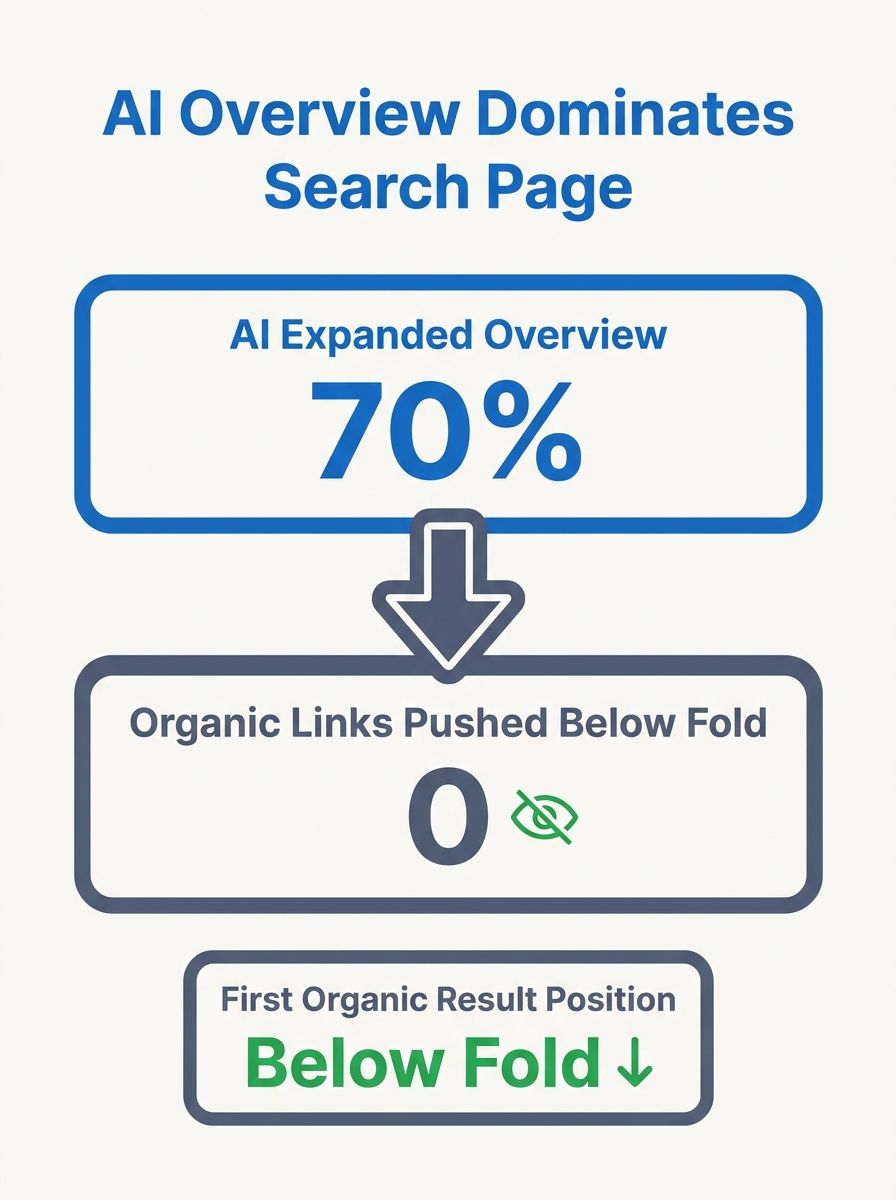
The expanded AI Overview format directly affects the visibility of organic search results that SEO agencies and their clients depend on for traffic. When the full AI summary displays automatically, users must scroll past hundreds of pixels of content—the AI-generated text, source citations within the Overview, and the "Ask anything" follow-up prompt—before reaching the first traditional blue link.
This change compounds existing click-through rate declines for top-ranking pages as AI-generated summaries increasingly answer queries without requiring users to visit source websites. The automatic expansion eliminates the decision point where users previously chose whether to view more AI content or proceed directly to website links.
Google has not released data on how the auto-expanded format affects click behavior compared to the collapsed version with the "Show more" button. The company's statement emphasized user engagement with "follow-up exploration" through the AI interface rather than traffic to external websites.
Connection to Broader AI Overview Strategy
The auto-expansion follows Google's pattern of progressively increasing AI Overview presence in search results throughout 2026. The company introduced AI Overviews powered by its Gemini model at I/O 2026 and has since expanded their appearance across more query types.
Google previously offered publishers an opt-out control for AI Overviews, though that option carried potential penalties including blocked access to Top Stories placements. The company has not indicated whether the new auto-expansion behavior changes any aspects of the opt-out mechanism or its consequences for publisher visibility.
The scroll-cancellation feature Kutz mentioned suggests Google is monitoring user behavior signals to balance AI content prominence against traditional search result access. The company has not disclosed whether those signals factor into which queries receive auto-expanded Overviews.
Why This Matters Now
Digital marketing agencies and in-house SEO teams face immediate strategic decisions about resource allocation as Google progressively prioritizes AI-generated content over traditional organic listings. The auto-expansion of AI Overviews reduces the likelihood that users will scroll to standard search results, directly threatening the click-through rates that justify SEO investments.
The inconsistent rollout pattern indicates Google is still testing optimal implementation, creating a window for agencies to document impact on client traffic before the feature stabilizes. Agencies should instrument tracking to measure organic CTR changes correlated with AI Overview expansion, building the data foundation for client conversations about shifting optimization strategies toward AI visibility alongside traditional ranking factors.
The lack of disclosed criteria for which queries trigger auto-expansion leaves agencies operating without visibility into Google's decision logic. This opacity complicates planning for content strategies designed to either secure citations within AI Overviews or bypass them entirely through query targeting that minimizes AI summary triggering.
Marcus Webb
Digital marketing consultant and agency review specialist. With 12 years in the SEO industry, Marcus has worked with agencies of all sizes and brings an insider perspective to agency evaluations and selection strategies.
Related Articles
Google Adds Further Exploration Links to AI Overviews as Publisher Traffic Decline Reaches 58 Percent
Google deployed five updates to AI Overviews and AI Mode on May 6, 2026, designed to direct more traffic to publisher websites, according to The Next Web. The rollout arrives as the search giant faces antitrust lawsuits from Penske Media and a European Commission investigation into whether AI-genera
Google Introduces Further Exploration Links to AI Overviews as Publishers File Antitrust Suits Over 58 Percent Traffic Decline
Publishers filed antitrust lawsuits and European Commission complaints against Google as AI Overviews correlated with a 58 per cent click-through rate decline, prompting the search giant to introduce five traffic-restoration features on May 6, 2026, according to The Next Web.
Ranking #1 on Google Now Delivers 58% Fewer Clicks Than It Used To, Gravitate Analysis Finds
A first-position Google ranking now delivers 58% fewer clicks than the same ranking delivered before AI Overviews began appearing in search results, according to an analysis released July 9, 2026 by Gravitate, a Vancouver-based digital marketing agency.
Explore more topics