
Google Adds Further Exploration Links to AI Overviews as Publisher Traffic Decline Reaches 58 Percent
Google deployed five updates to AI Overviews and AI Mode on May 6, 2026, designed to direct more traffic to publisher websites, according to The Next Web. The rollout arrives as the search giant faces antitrust lawsuits from Penske Media and a European Commission investigation into whether AI-genera
 Marcus Webb··4 min read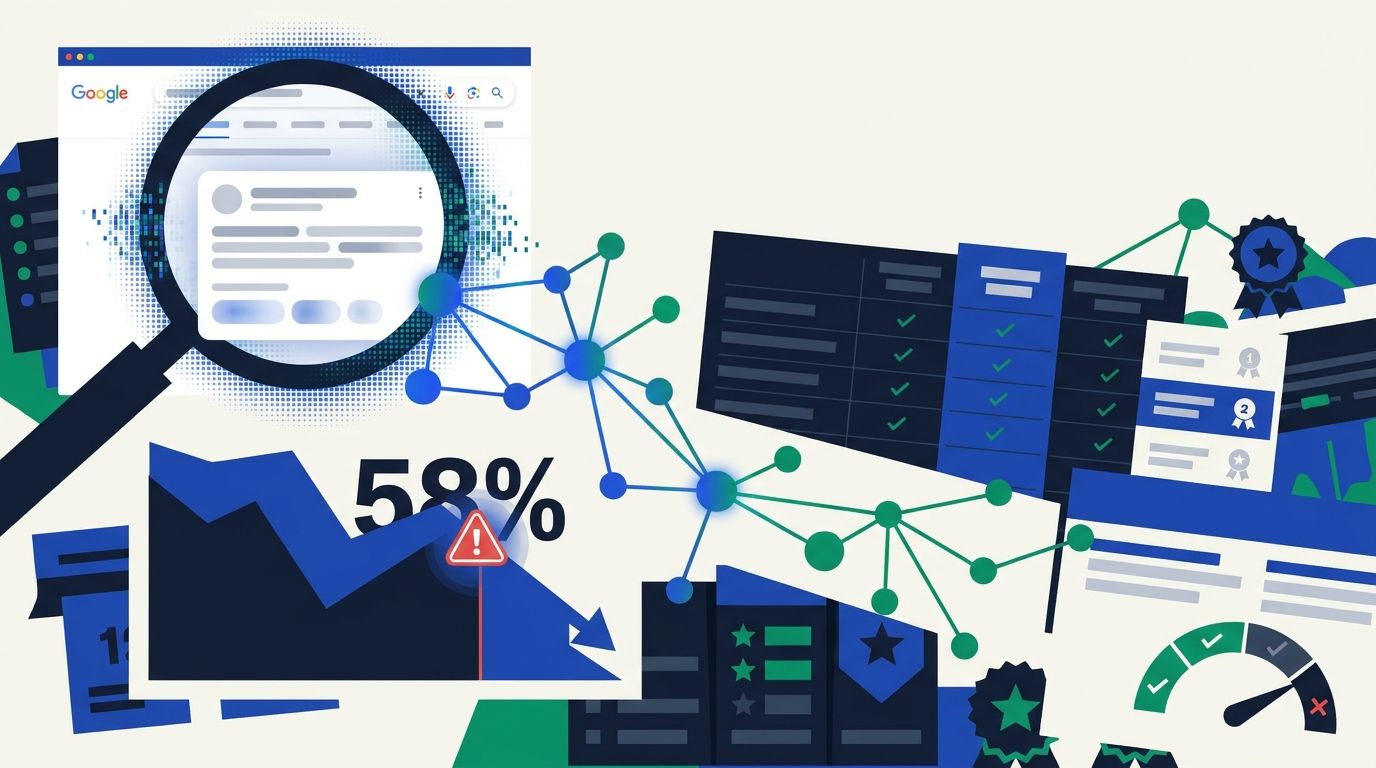
Google Adds Further Exploration Links to AI Overviews as Publisher Traffic Decline Reaches 58 Percent
Google deployed five updates to AI Overviews and AI Mode on May 6, 2026, designed to direct more traffic to publisher websites, according to The Next Web. The rollout arrives as the search giant faces antitrust lawsuits from Penske Media and a European Commission investigation into whether AI-generated summaries violate competition rules by cannibalizing the web content they depend on.
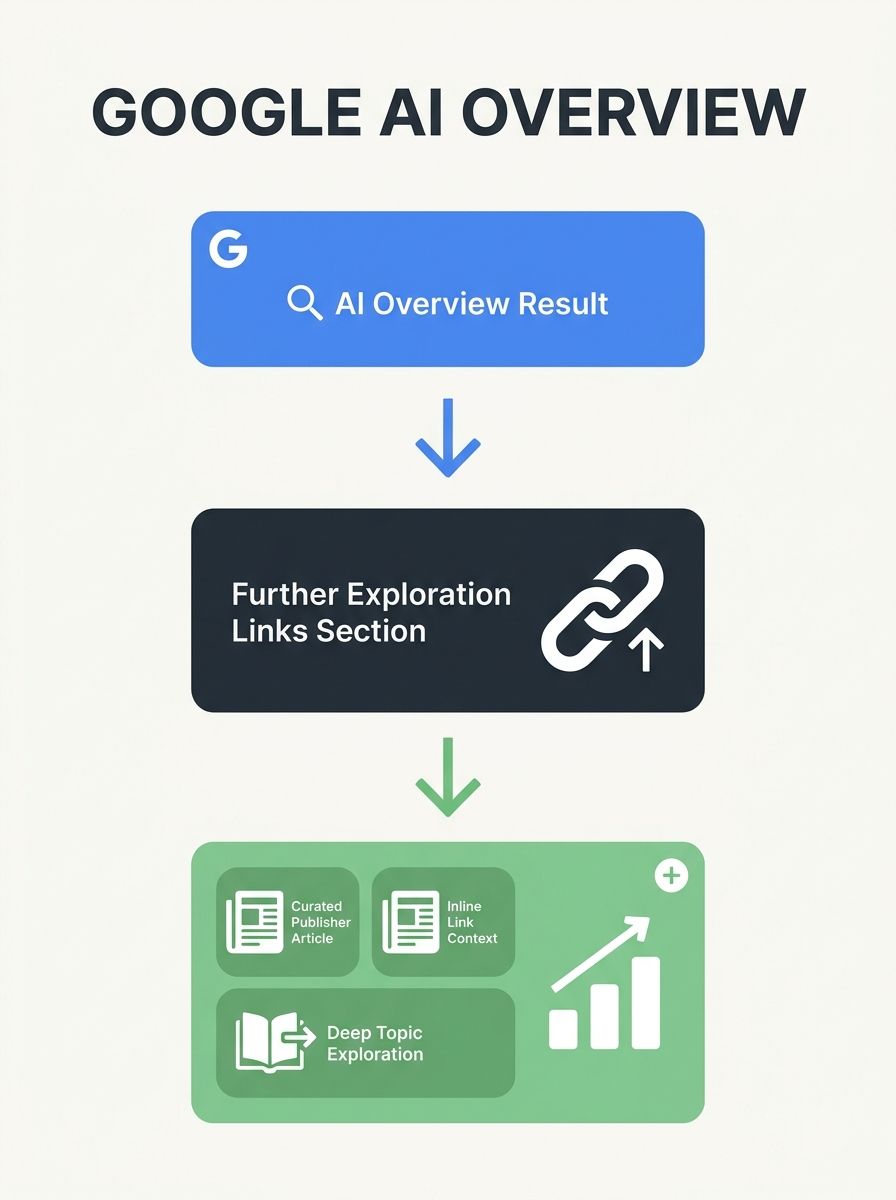
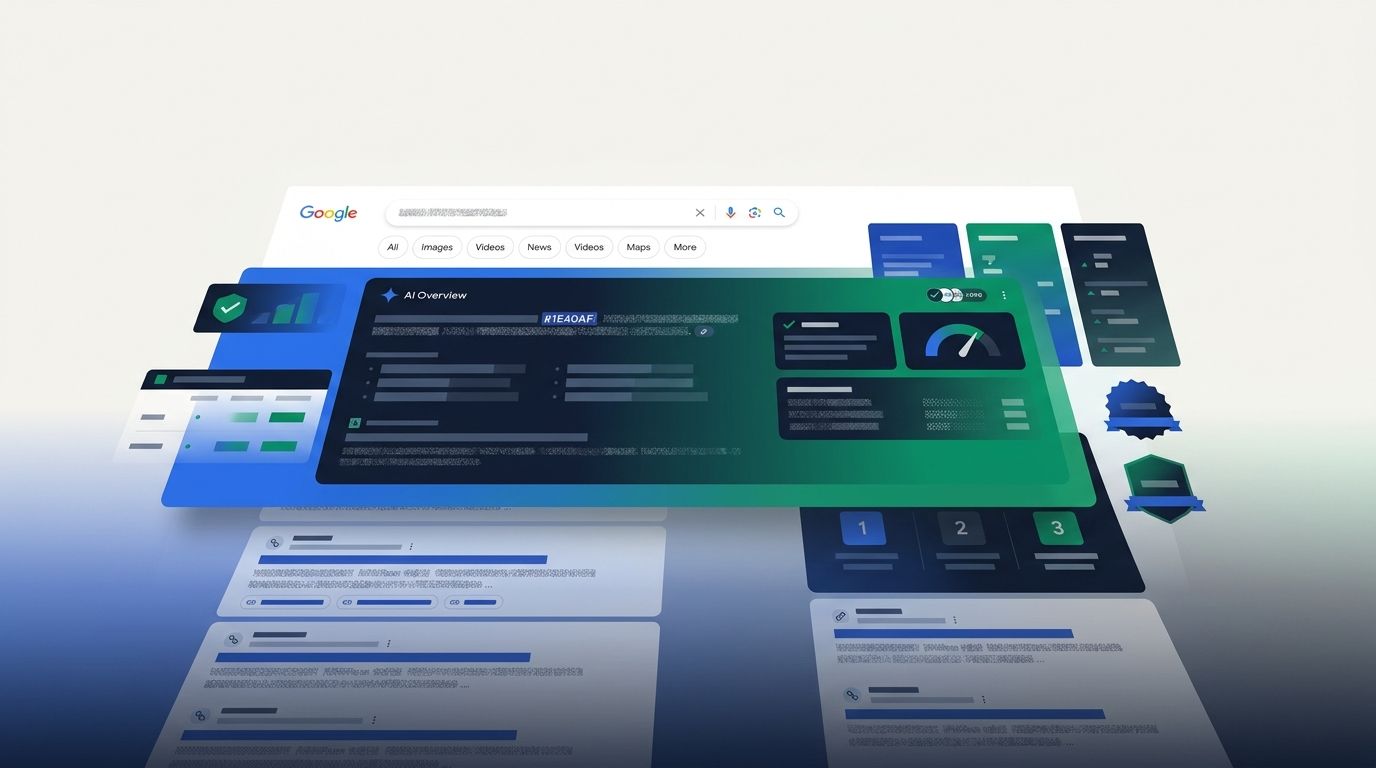
The most significant addition is Further Exploration, a section that appears at the end of AI Overviews with curated links to articles, case studies, and reports related to the query. Google also introduced inline link context on desktop, allowing users to hover over embedded links to see website names or page titles before clicking. Three additional features target news subscribers, forum perspectives, and shopping queries.
The updates represent Google's most direct acknowledgment that AI search has disrupted traffic patterns to the websites producing the content its summaries extract. Ahrefs published a study in February 2026 showing AI Overviews correlate with a 58 percent reduction in click-through rates for top-ranking pages, according to the source article. That figure nearly doubles the 34.5 percent decline documented in April 2025. Pew Research Center found only eight percent of users click traditional search results when an AI Overview appears, compared to 15 percent when no overview is present.
Publisher Traffic Losses Trigger Legal Action
Digital Content Next, representing major digital publishers, reported most members experienced traffic losses between one and 25 percent, with some reporting declines exceeding 75 percent. Chartbeat data tracking more than 2,500 news sites globally showed Google search referrals declined 33 percent in 2025.
Penske Media filed an antitrust lawsuit over the traffic decline. The European Publishers Council filed a formal complaint with the European Commission. Survey data cited in the source article indicates one-third of publishers plan to block AI Overviews once the tools to do so become available.
The European Commission has launched an antitrust investigation into whether Google's AI Overviews use publisher content without appropriate compensation and without allowing publishers to refuse without losing access to Google Search. In the United States, a federal judge prohibited exclusive contracts relating to the distribution of Google Search and ordered behavioral remedies after the Department of Justice won its antitrust case against Google.
How the Five Features Work
Further Exploration transforms AI summaries from destinations into departure points by giving users who want deeper information a structured path to source material. The section appears at the end of AI Overviews rather than inline.
Inline link context addresses what Google describes as user hesitancy to click links when they are unsure where they lead. Desktop users can now hover over embedded links to preview the website or page title.
AI Mode and AI Overviews will label links from a user's active news subscriptions to make them stand out in results. Google stated early testing showed this feature made users "significantly more likely" to click, according to the source article.
AI responses will surface previews of perspectives from Reddit, social media, and other firsthand sources, with context including the creator's handle or community name. Google is also expanding product review cards and comparison features within AI Overviews for shopping queries, adding more direct links to retailer and review sites.
Strategic Tension Between AI Interface and Web Traffic
Sundar Pichai articulated a vision at Google Cloud Next 2026 to transform Search from a retrieval engine into an agent manager, a platform that does not merely find information but acts on it. The plan positions AI agents as the next interface layer between users and the web, with Google's models interpreting queries, synthesizing answers, and executing tasks across services.
The strategic direction creates a fundamental tension: Google wants users to interact with AI rather than websites, but the business model depends on those websites continuing to exist and produce content. Google's search advertising business generated more than 50 billion dollars in the first quarter of 2026 alone, revenue that depends on the continued existence of web content that AI Overviews systematically disincentivize publishers from producing.
The five updates announced Tuesday attempt to balance AI as the primary interface while creating enough click-through traffic that publishers remain financially viable. Whether the features will reverse documented traffic declines remains an open question as AI Overviews continue to reshape organic click patterns agencies must account for in client forecasts.
SEO agencies advising clients on expected organic traffic performance now face a landscape where traditional keyword patterns fragment into longer natural language queries and top-ranking positions no longer guarantee historical click-through rates. The 58 percent decline documented by Ahrefs represents a structural shift in how searchers interact with results when AI summaries provide immediate answers.
What Happens Next
SEO agencies must revise traffic forecasts and organic performance expectations for clients whose content appears in AI Overviews. The 58 percent click-through rate decline documented by Ahrefs means traditional position-based CTR models no longer apply when AI summaries appear above organic results. Agencies should audit which client queries trigger AI Overviews and model traffic scenarios under both 34.5 percent and 58 percent decline assumptions.
Google's Further Exploration section creates a new optimization target distinct from traditional snippet optimization. Agencies should test whether structured content formats—case studies, research reports, detailed guides—appear more frequently in the curated link section than standard blog posts. This represents a shift toward Answer Engine Optimization as a separate practice alongside traditional ranking tactics.
The European Commission's antitrust investigation and Penske Media's lawsuit introduce regulatory uncertainty into long-term SEO strategy. Agencies advising enterprise clients should monitor whether Google adjusts AI Overview frequency or display prominence in response to legal pressure, as any platform changes would materially alter traffic distribution across organic results. The one-third of publishers planning to block AI Overviews once tools become available suggests a future where some content appears in AI summaries while competitor content does not—a visibility advantage agencies must prepare to exploit or defend against.
Marcus Webb
Digital marketing consultant and agency review specialist. With 12 years in the SEO industry, Marcus has worked with agencies of all sizes and brings an insider perspective to agency evaluations and selection strategies.
Related Articles
Google Introduces Further Exploration Links to AI Overviews as Publishers File Antitrust Suits Over 58 Percent Traffic Decline
Publishers filed antitrust lawsuits and European Commission complaints against Google as AI Overviews correlated with a 58 per cent click-through rate decline, prompting the search giant to introduce five traffic-restoration features on May 6, 2026, according to The Next Web.
Ranking #1 on Google Now Delivers 58% Fewer Clicks Than It Used To, Gravitate Analysis Finds
A first-position Google ranking now delivers 58% fewer clicks than the same ranking delivered before AI Overviews began appearing in search results, according to an analysis released July 9, 2026 by Gravitate, a Vancouver-based digital marketing agency.
Google Automatically Expands AI Overviews, Pushing Organic Results Further Down Search Pages
Google now automatically expands AI Overviews at the top of search results pages for certain queries, eliminating the "Show more" button and pushing traditional organic link listings significantly lower on the page, according to a report published August 28 by Search Engine Roundtable.
Explore more topics