
Knowledge Hub Media Defines Answer Engine Optimization as Distinct Practice Alongside Traditional SEO
Knowledge Hub Media published a framework on May 5, 2026, distinguishing Answer Engine Optimization (AEO) as a separate discipline from traditional search engine optimization, according to the industry publication. The framework positions AEO as optimizing content for direct citation by AI-powered a
 Marcus Webb··3 min read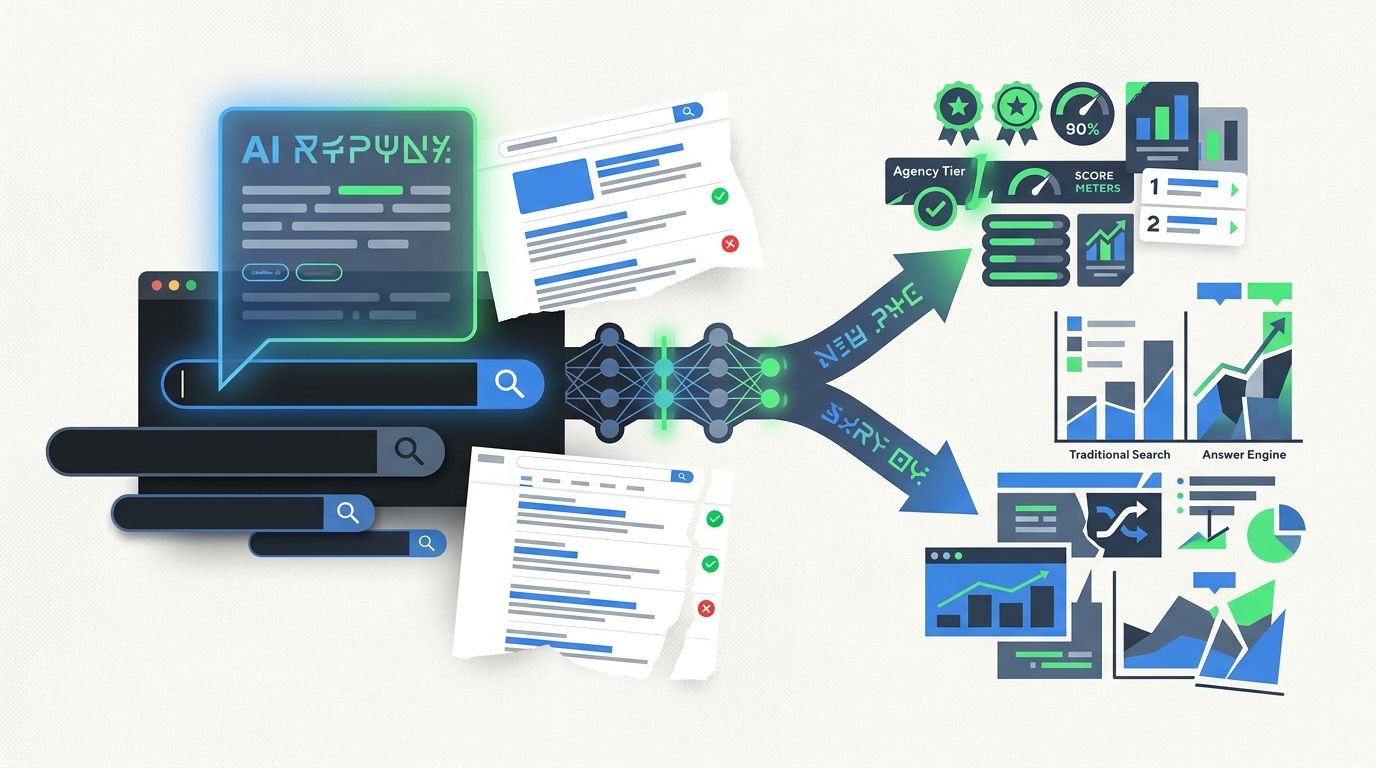
Knowledge Hub Media Defines Answer Engine Optimization as Distinct Practice Alongside Traditional SEO
Knowledge Hub Media published a framework on May 5, 2026, distinguishing Answer Engine Optimization (AEO) as a separate discipline from traditional search engine optimization, according to the industry publication. The framework positions AEO as optimizing content for direct citation by AI-powered answer engines rather than solely for search result rankings.
The publication defines AEO as the process of structuring content so AI tools like ChatGPT, Perplexity, Google's AI Overview, and voice assistants can extract and cite information directly. The framework identifies three concurrent market shifts driving adoption: AI integration into search journeys, increasing zero-click search behavior, and the transition to conversational query patterns. Knowledge Hub Media states that AEO builds on existing SEO foundations rather than replacing them, with many AI-cited sources still originating from pages that rank organically.
Core Framework Components
The published framework identifies four structural pillars for AEO implementation. Content structure requires clear headings, short direct answers, bullet formatting, FAQ-style organization, and schema markup to enable AI parsing. The framework incorporates Google's E-E-A-T criteria—experience, expertise, authority, and trust—as foundational requirements. Intent-driven question answering prioritizes natural language queries over traditional keyword targeting. Credibility and mentions assess brand visibility across third-party platforms including industry publications, review sites, comparison pages, and community forums.
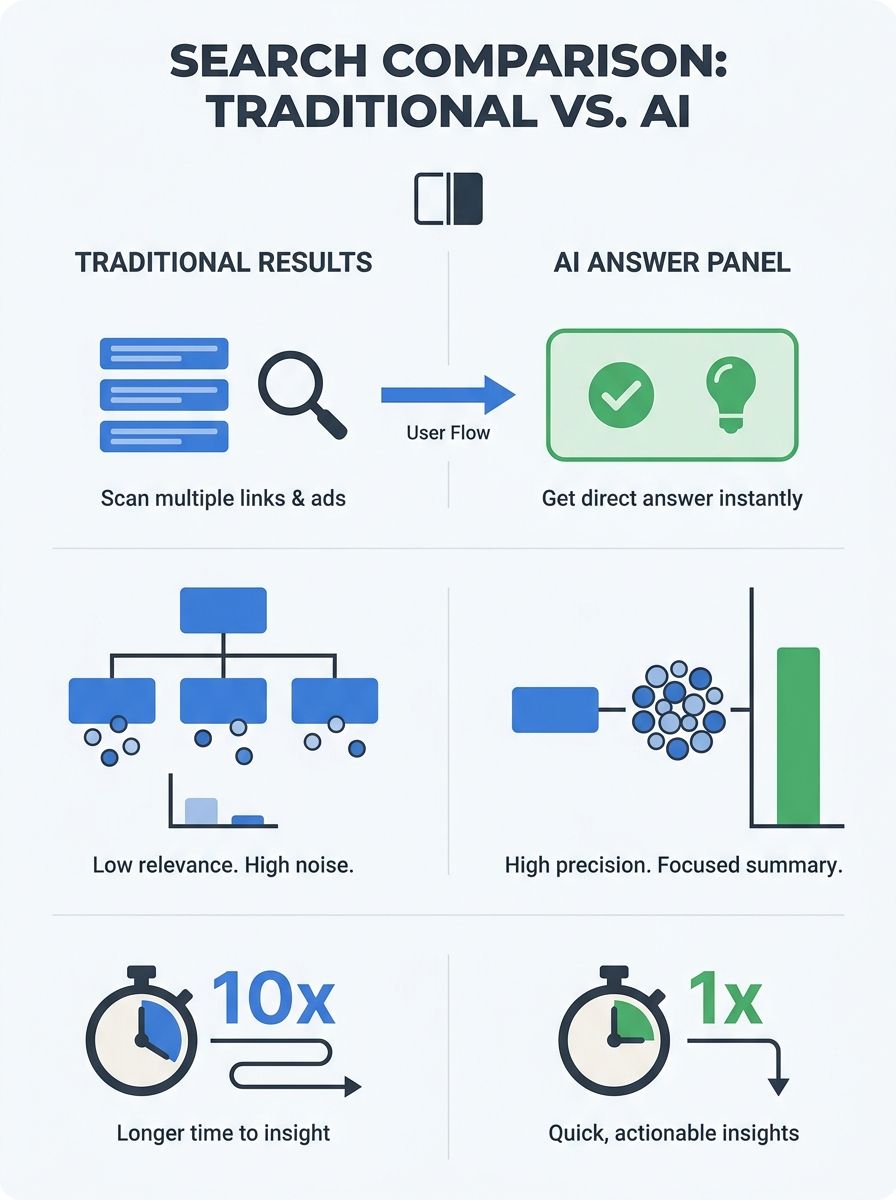
Knowledge Hub Media draws a functional distinction between SEO and AEO outcomes: traditional SEO delivers website traffic through rankings, while AEO generates brand visibility and citations through direct answer placement. The framework notes that content optimized for AEO must be "usable by AI" through structural formatting that AI models can extract and synthesize, according to the publication.
Practitioner Observations on Implementation
The framework includes field observations from marketers implementing AEO strategies. A consistent theme positions AEO as "just SEO, but structured differently," emphasizing clearer answers, improved formatting, stronger topical authority, and tighter alignment with user intent rather than fundamentally new tactics. The publication notes that AEO-specific tools remain early-stage and expensive, with teams relying on manual AI response checks, Google Search Console, Bing Webmaster Tools, basic brand mention tracking, and AI visibility features within existing SEO platforms.
The framework highlights third-party visibility as an expanded concern, noting that AI validation extends beyond owned content to assess how brands appear across the broader web ecosystem. Knowledge Hub Media reports varying terminology for the practice, with some practitioners using "GEO" (generative engine optimization) or "AI visibility optimization" interchangeably with AEO, though all reference the same core objective of appearing in AI-generated answers.
The publication's implementation recommendations include positioning direct answers in opening sections, adopting FAQ and Q&A formatting, using conversational language that mirrors natural speech patterns, building entity authority through industry mentions and third-party content, and prioritizing clarity over content length. The framework explicitly states that "longer content is not always better" for AEO purposes, according to the guide.
Reading Between the Lines
This framework codifies what many agencies have been executing informally for the past year—structured optimization for AI citation alongside traditional ranking efforts. The timing matters: as conversational queries reshape search behavior and AI platforms fragment traditional SEO approaches, agencies need documented methodologies to sell these services and justify separate line items in client proposals.
The framework's emphasis on third-party brand mentions represents a significant expansion of agency scope beyond owned properties. If AI tools validate sources by scanning review platforms, Reddit threads, and comparison sites, agencies must now manage reputation and visibility across channels they don't directly control—territory that overlaps with PR and brand management. That scope expansion justifies higher retainers but also requires capabilities most SEO-focused agencies haven't historically maintained in-house.
The acknowledgment that AEO tools remain "early and expensive" signals a transitional period where agencies can implement methodology without significant platform investment. Firms that document repeatable processes now—while competitors wait for mature tooling—position themselves as category experts when enterprise budgets eventually shift toward dedicated AEO engagements. The framework essentially gives agencies permission to charge for work they're likely already performing under broader "SEO modernization" contracts.
Marcus Webb
Digital marketing consultant and agency review specialist. With 12 years in the SEO industry, Marcus has worked with agencies of all sizes and brings an insider perspective to agency evaluations and selection strategies.
Explore more topics