
Strategy Guide Defines Three Distinct Optimization Frameworks as AI Search Engines Fragment Traditional SEO
Digital marketing strategist Ruslan Smirnov published a framework distinguishing three optimization approaches—traditional SEO, Answer Engine Optimization (AEO), and Generative Engine Optimization (GEO)—in a strategy guide released May 2 as AI-powered search platforms reshape how brands compete for
 Marcus Webb··3 min read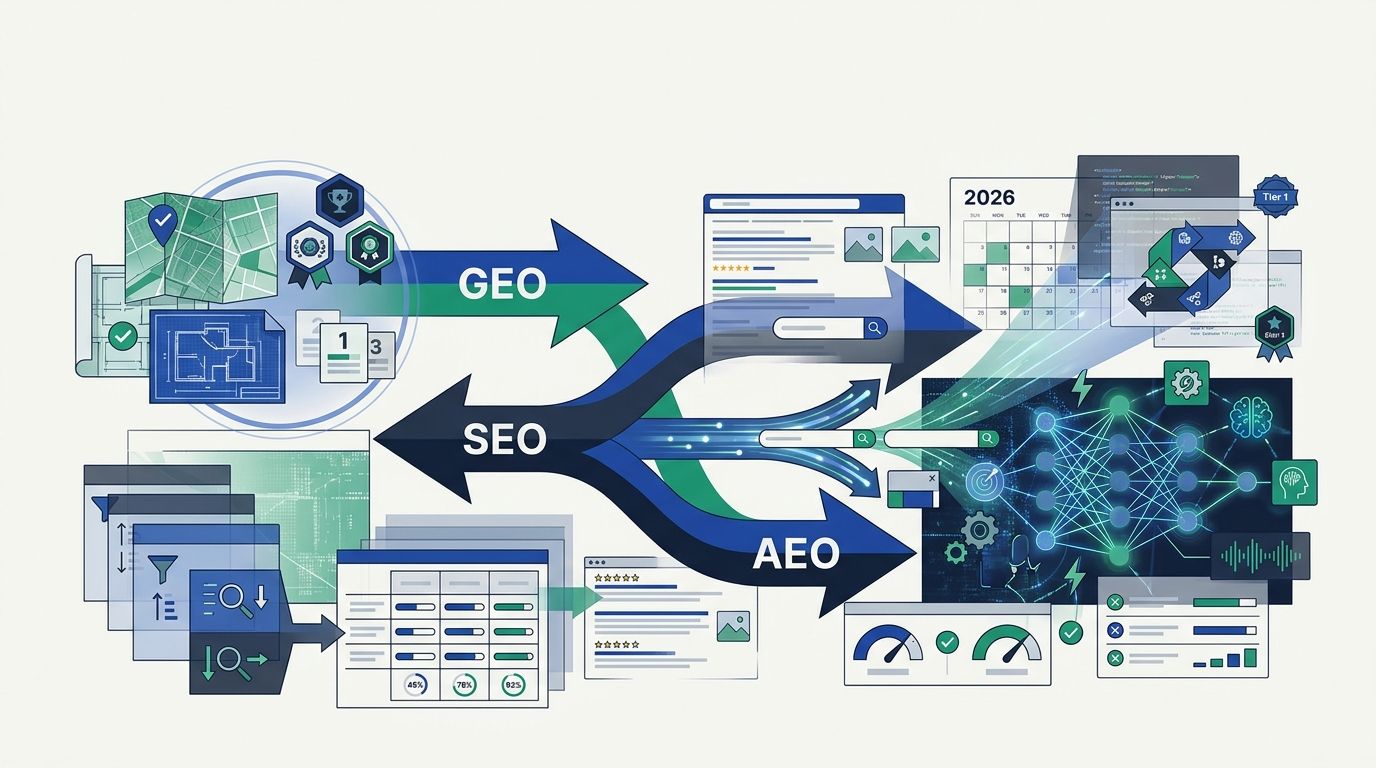
Strategy Guide Defines Three Distinct Optimization Frameworks as AI Search Engines Fragment Traditional SEO
Digital marketing strategist Ruslan Smirnov published a framework distinguishing three optimization approaches—traditional SEO, Answer Engine Optimization (AEO), and Generative Engine Optimization (GEO)—in a strategy guide released May 2 as AI-powered search platforms reshape how brands compete for visibility.
The guide positions SEO as optimizing for discovery through page rankings, AEO as targeting featured snippets and voice search responses, and GEO as securing citations within AI-generated answers from platforms like ChatGPT and Google's Search Generative Experience. According to the framework, the fundamental measurement shift moves from click-through rates in traditional search to citation frequency in AI-synthesized responses.
Optimization Success Metrics Diverge Across Platforms
Traditional SEO measures success through first-page rankings and click-through rates, according to the guide. The content strategy emphasizes comprehensive articles exceeding 1,500 words with internal linking and keyword density designed to satisfy both human readers and search crawlers.
AEO targets featured snippets and voice assistant responses with concise 50-to-100-word blocks, the guide states. A snippet-optimized answer to "How can I save money on flights?" delivers direct facts: "You can save money on flights by booking 21 days in advance, using incognito mode, and flying on Tuesdays or Wednesdays."
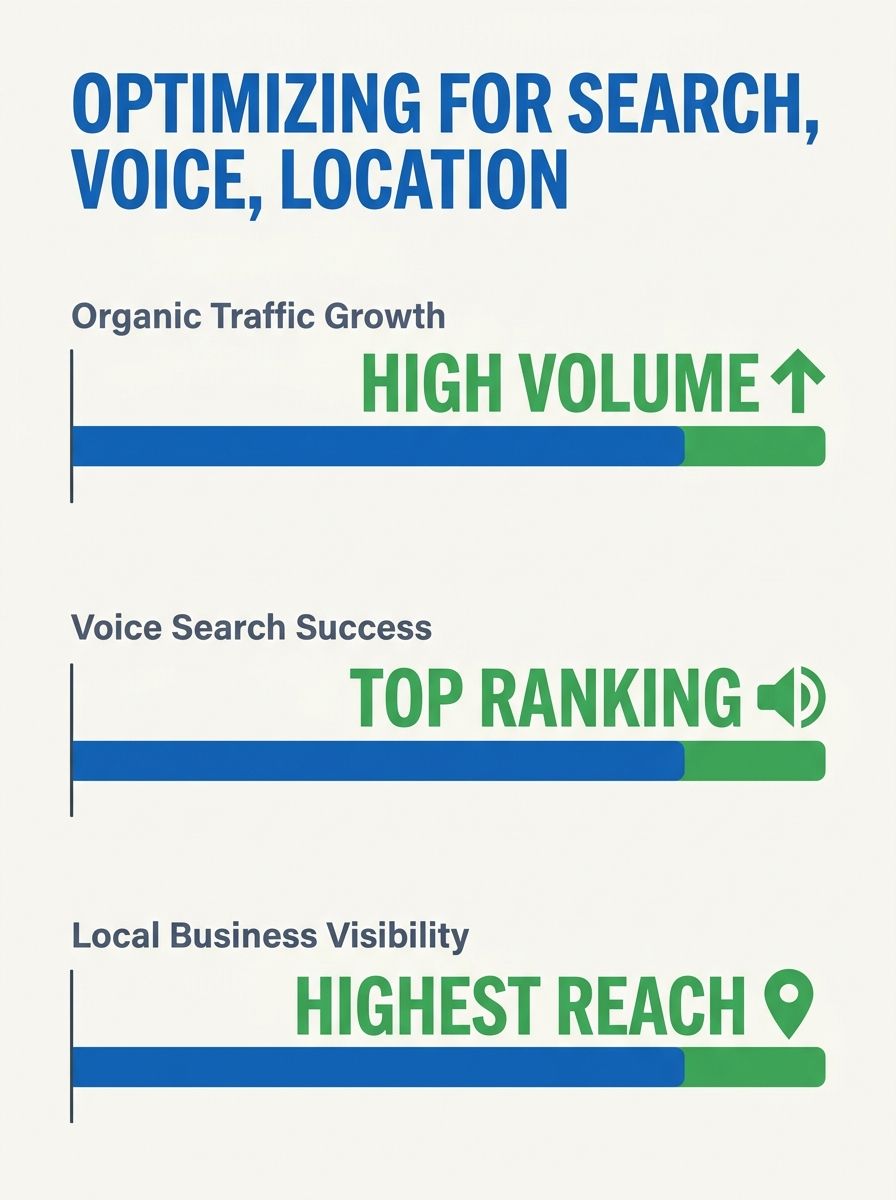
GEO requires what Smirnov calls "fact-density" and "citation-readiness." The framework recommends embedding specific data points with clear attributions: "According to a 2025 study by TravelData, booking 21 days in advance reduces costs by an average of 18.4%." This structure allows AI engines to cite the source when synthesizing responses, the guide notes.
Content Length and Technical Requirements Shift
The same budget travel topic requires different content structures under each framework, according to the comparison. Traditional SEO favors long-form guides with titles like "15 Proven Tips to Save Money on Flights in 2026," high-volume keywords, and visual elements with optimized alt-text.
AEO strips context to deliver immediate answers suitable for voice assistants, focusing on schema markup and question-and-answer formatting. The technical implementation prioritizes structured data that search engines can parse for featured snippets.
GEO optimization demands expert quotes, verifiable statistics, and data-rich reports that AI models can reference with attribution. The guide distinguishes this approach from traditional SEO's focus on page speed and backlinks, emphasizing instead authority signals and citation-friendly formatting. The shift mirrors broader changes in how AI crawlers interact with structured data during site audits.
Citation Economy Replaces Click Economy
"In traditional search, the unit of value is the Click," the guide states. "In AI search, the unit of value is the Citation." Brands that fail to optimize for generative engines become "training data that the AI uses without giving you credit," according to Smirnov's framework.
The guide warns that AI search platforms act as information gatekeepers, synthesizing content from multiple sources rather than directing users to individual websites. Users increasingly expect AI assistants to summarize information rather than requiring manual research across multiple pages.
The comparison table in the guide contrasts technical focus areas: traditional SEO emphasizes speed, links, and keywords; AEO prioritizes schema and Q&A structure; GEO centers on authority, data, and citations. Content format recommendations vary from blog posts and landing pages for SEO to FAQ blocks for AEO to data-rich reports for GEO.
What Happens Next
Marketing teams evaluating search strategy in 2026 face optimization decisions across three distinct frameworks rather than a single SEO playbook. Agencies that built expertise around traditional ranking factors must now develop capabilities in snippet engineering for AEO and citation architecture for GEO.
The framework suggests content teams will need to create layered assets: comprehensive guides for traditional search discovery, extracted snippets for voice and featured snippet placement, and data-rich source material for AI citation. Budget allocation becomes more complex when success metrics span rankings, snippet capture rates, and AI mention frequency. Organizations with manufacturing websites optimizing for both Google and generative engines face similar multi-platform visibility requirements.
The most immediate decision for CMOs: whether current SEO vendors have developed GEO capabilities or whether securing AI citations requires separate specialist partnerships. As 68% of brands reportedly vanish from AI search recommendations, the cost of maintaining a single-framework strategy becomes measurable in lost visibility across emerging platforms.
Marcus Webb
Digital marketing consultant and agency review specialist. With 12 years in the SEO industry, Marcus has worked with agencies of all sizes and brings an insider perspective to agency evaluations and selection strategies.
Explore more topics