
SEO Teams Face Cross-Engine Citation Tracking Gap as Search Engine Journal Schedules AI Measurement Webinar
SEO teams tracking content performance across ChatGPT, Claude, Perplexity, Google AI Overviews, AI Mode, and other engines lack integrated measurement tools to confirm citation retention beyond week three of publication, according to a June 23 webinar announcement from Search Engine Journal. Sam Gar
 Marcus Webb··3 min read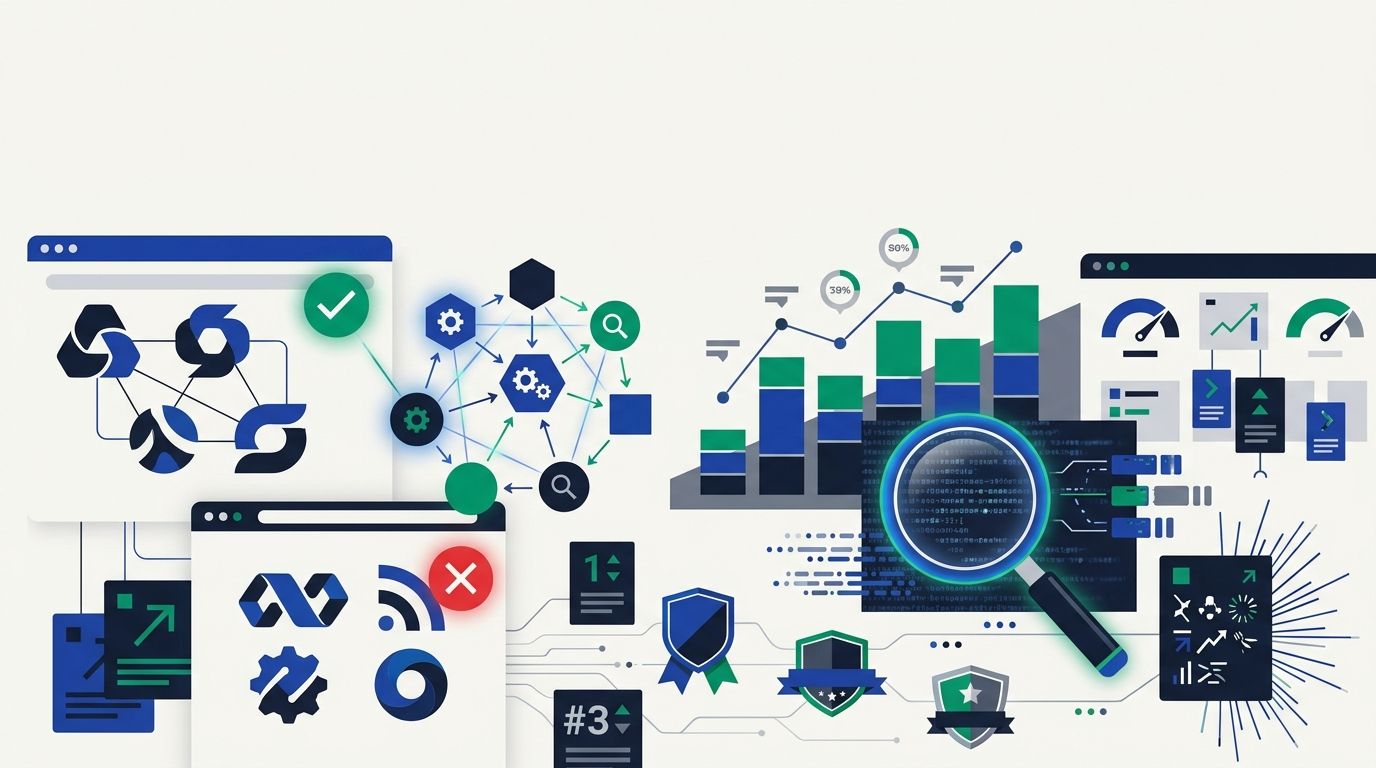
SEO Teams Face Cross-Engine Citation Tracking Gap as Search Engine Journal Schedules AI Measurement Webinar
SEO teams tracking content performance across ChatGPT, Claude, Perplexity, Google AI Overviews, AI Mode, and other engines lack integrated measurement tools to confirm citation retention beyond week three of publication, according to a June 23 webinar announcement from Search Engine Journal. Sam Garg, Founder and CEO of Writesonic, will present a four-layer AI agent framework his team deployed to automate cross-engine citation tracking, gap identification, and outreach drafting.
The Attribution Problem Across Six Engines
Content that ranks in Google's traditional results may not appear in ChatGPT citations, Perplexity sources, or Claude responses. Each engine indexes content differently and applies distinct citation logic, the announcement notes. SEO professionals currently handle data consolidation manually across six to twelve tools that do not integrate, according to the webinar description.
The workflow breakdown occurs at three points: identifying which published pieces secured citations, determining which citations disappeared between week one and week three, and prioritizing fixes based on traffic potential. Dashboards surface the gaps but do not resolve them.
Garg's team built an AI agent system to manage the full cycle—from identifying citation gaps to verifying that updates held after publication. The system drafts citation-outreach pitches by 7 AM and surfaces opportunities based on cross-engine analysis, according to Search Engine Journal.
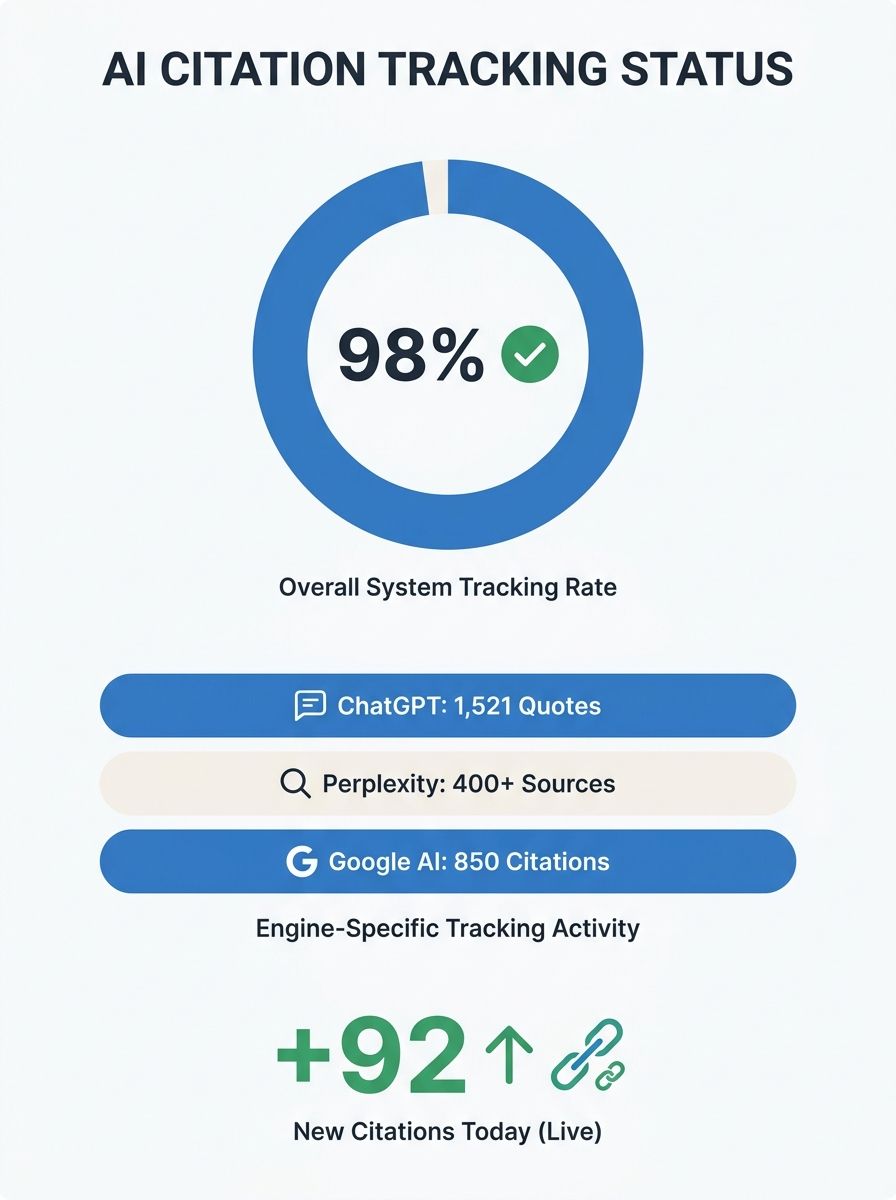
Four-Layer Framework Behind the Agent System
The working system relies on four layers: identity, knowledge, skills, and loops. Most AI tools stop at layer two—knowledge retrieval—without building the execution and verification loops required for production workflows, Garg stated in the webinar preview.
Attendees will see a walkthrough of the citation-outreach system, including open-source components available for teams building custom versions. Garg will share what performed as expected and what did not, based on deployment alongside Writesonic's marketing team.
The webinar will also cover five lessons from running agents in production, including how organizational structure shapes which agents succeed. The session addresses a measurement gap that has widened as AI search visibility requires different tracking than Google's traditional results.
Open-Source Components for Custom Builds
Teams managing citation workflows manually can access open-source components from the Writesonic system, according to the announcement. The framework includes working code for the four-layer agent architecture and the citation-outreach automation.
The session will demonstrate how the system prioritizes fixes based on cross-engine citation data and traffic potential. Garg will walk through the actual results from production deployment, including edge cases where the automation required manual override.
SEO teams currently consolidate data from Google Search Console, ChatGPT's source attribution logs, Perplexity's citation panels, Claude's source lists, and AI Overviews tracking tools without unified dashboards. The tool stack consolidation challenge has intensified as AI engines fragment citation distribution.
What This Means for Business Owners
Marketing managers evaluating SEO agencies should ask whether citation tracking extends beyond Google's traditional results to ChatGPT, Perplexity, and AI Overviews. Agencies that report only on Google rankings miss the distribution layer where content actually reaches users through AI-powered search.
Business owners directing internal teams should audit whether citation retention is measured at week one and week three post-publication across all six engines. The measurement gap creates invisible content—pieces that published successfully but disappeared from AI citations without triggering alerts.
CMOs budgeting for 2026 should ask agencies to demonstrate cross-engine citation workflows in their proposals. The manual consolidation approach does not scale past 10 monthly publications, according to the webinar description. Systems that automate gap identification, prioritization, and verification drafts will separate agencies that can track AI search performance from those reporting only on blue-link rankings.
Marcus Webb
Digital marketing consultant and agency review specialist. With 12 years in the SEO industry, Marcus has worked with agencies of all sizes and brings an insider perspective to agency evaluations and selection strategies.
Related Articles
Search Engine Journal Identifies Five AI Search Shifts Requiring Immediate Strategy Adjustments Before Q3
Search Engine Journal identified five AI-driven changes to search engine results pages that require immediate strategy adjustments before third-quarter planning cycles close, according to analysis published June 11. The shifts, spanning organic click-through rate decline, AI Overview citation mechan
Five Major AI Search Engines Return Completely Different Answers to Identical Query in New Test
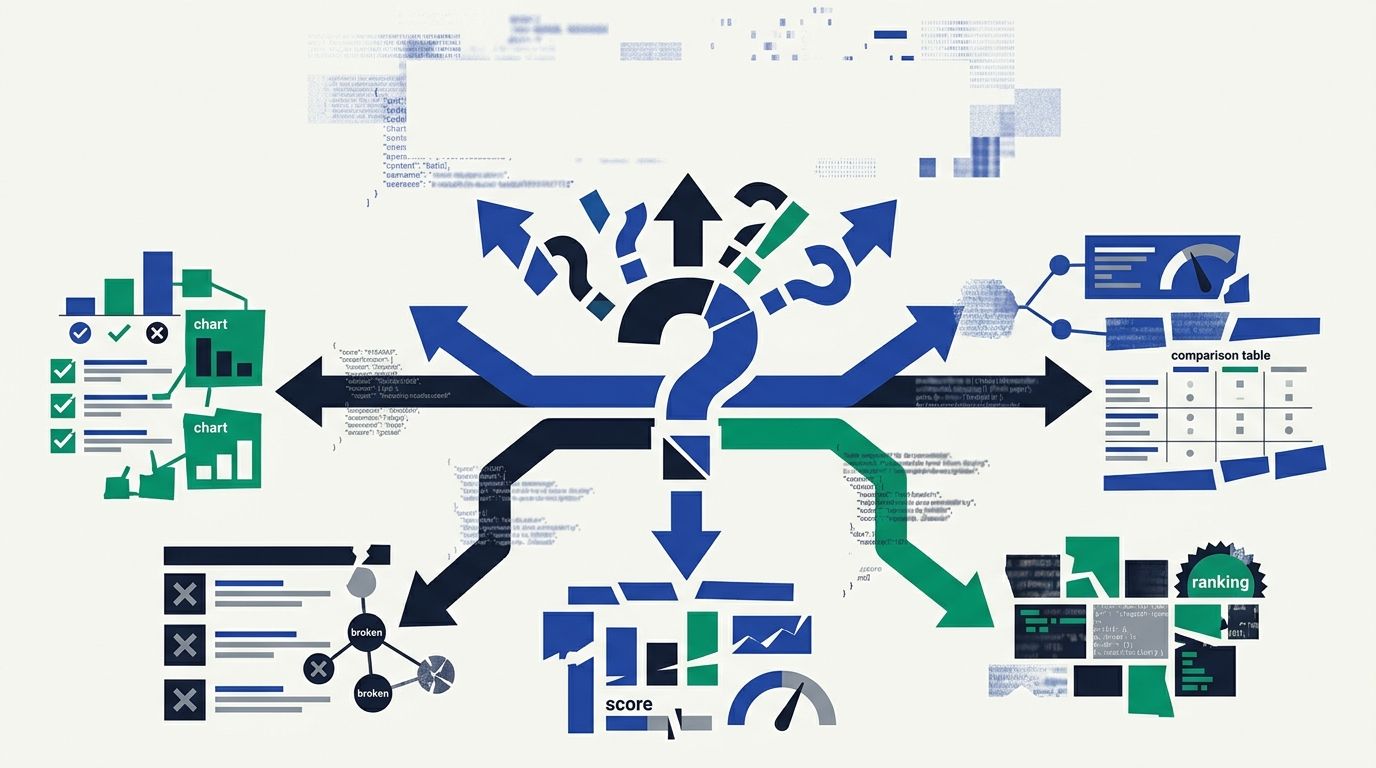
A technical developer testing five AI search engines with the same question received five distinct answers citing entirely different sources, according to a report published today on DEV Community. Google AI Overviews recommended GitHub Actions, ChatGPT suggested GitLab CI, Perplexity cited an unfam
Enterprise SEO Teams Get Structured Testing Framework for AI Search Performance Measurement
The inability to run controlled A/B tests on large language model responses has created a measurement gap that mid-market and enterprise SEO teams have struggled to close with traditional testing methods, according to a July 8 webinar announcement from seoClarity.
Explore more topics