
SEO Agency Publishes 11-Step Local SEO Workflow Framework Addressing Google Business Profile Optimization and Multi-Client Efficiency
An 11-step local SEO workflow framework for agencies managing multiple clients was published September 21 by Google, addressing Google Business Profile optimization, citation management, and review response strategies in response to findings that 46 percent of all Google searches now target local in
 Marcus Webb··4 min read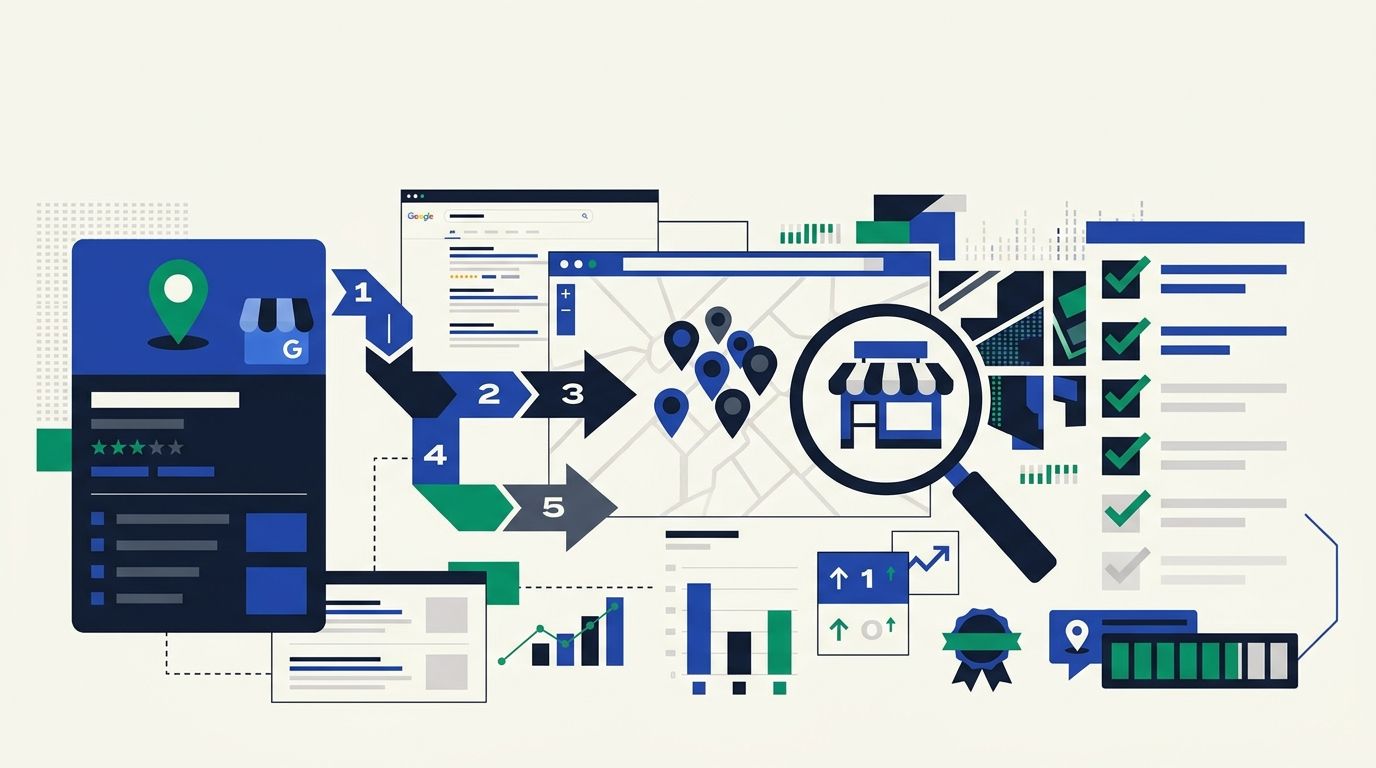
SEO Agency Publishes 11-Step Local SEO Workflow Framework Addressing Google Business Profile Optimization and Multi-Client Efficiency
An 11-step local SEO workflow framework for agencies managing multiple clients was published September 21 by Google, addressing Google Business Profile optimization, citation management, and review response strategies in response to findings that 46 percent of all Google searches now target local information, according to the guide published on inkl.com.
The framework addresses agency-specific operational challenges including workflow standardization across client accounts, profit margin maintenance through systematic task execution, and team coordination when different specialists handle various optimization components. The guide positions structured client onboarding, competitor monitoring, and location-specific keyword research as foundational steps before technical website optimization begins.
Multi-Client Workflow Efficiency Drives Framework Design
The workflow structure targets inefficiencies that arise when agencies manage local SEO without standardized processes, according to the framework. Agencies lacking systematic approaches face missed deadlines, inconsistent execution across accounts, and cost overruns that erode profitability. The published process segments client work into discrete stages from onboarding through ongoing optimization, enabling different team members to execute tasks consistently regardless of who handles specific accounts.
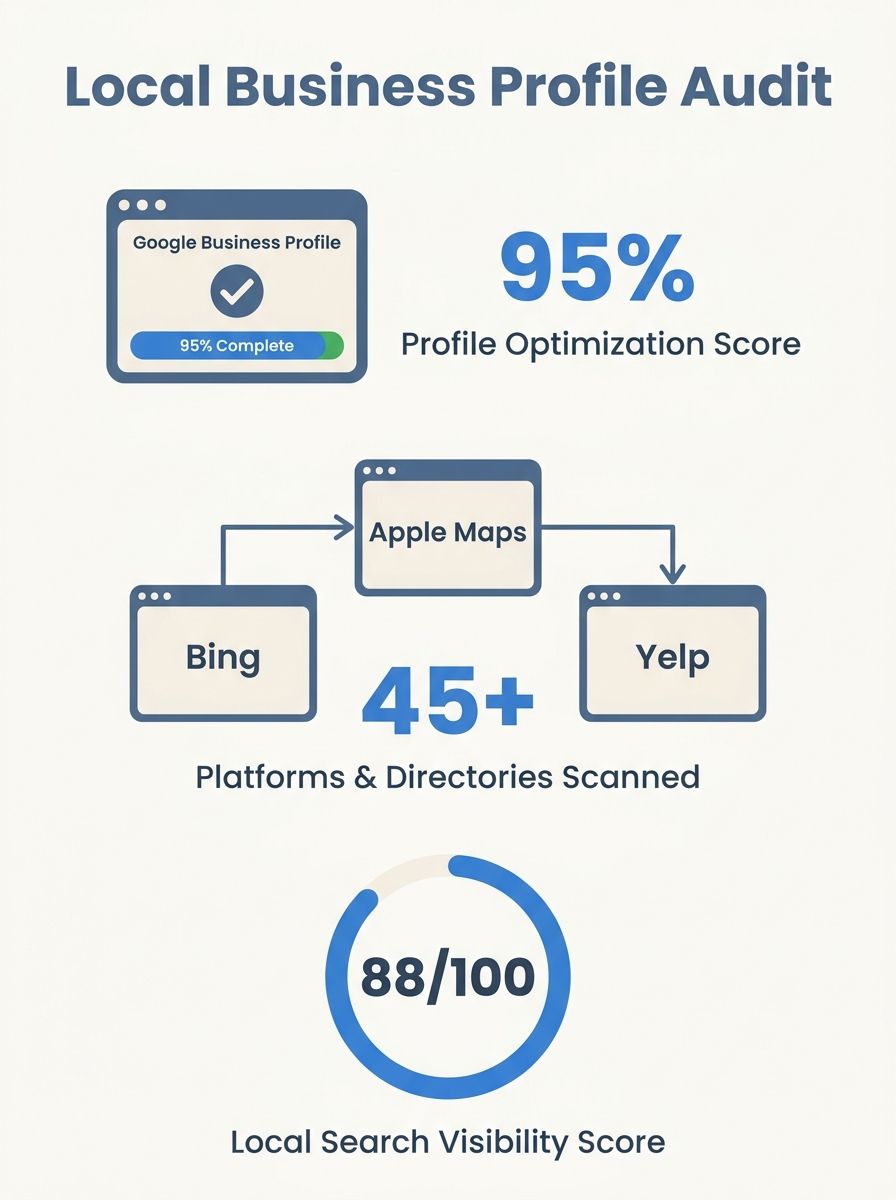
The framework opens with a structured onboarding process requiring documentation of service area, primary and secondary locations, target customer profile, and competitive positioning before any optimization work begins. Agencies must capture NAP (Name, Address, Phone) details precisely as they should appear across the web during onboarding, since inconsistencies undermine subsequent optimization work. The guide instructs agencies to audit existing digital assets including GBP listings, website structure, citation profile, and review history during the initial engagement phase.
Location-Specific Keyword Research Replaces Generic Approach
Local keyword research requires different methodology than traditional SEO targeting, according to the framework. Location-specific keywords such as "emergency plumber in [neighborhood]" generate higher in-person visit rates than generic terms like "plumber," the guide notes. Service-specific modifiers including "affordable," "24-hour," and "same-day" drive higher conversion rates compared to broader search terms.
The framework instructs agencies to group keywords into service-specific and location-specific categories to guide subsequent optimization strategies. The guide emphasizes understanding "near me" search behaviors, noting such queries have surged in recent years. Agencies should use tools capable of analyzing local keyword variations segmented by service and location to enhance audience targeting precision.
Competitor analysis forms the third workflow step, targeting businesses ranking in top three local pack positions that attract the majority of clicks. The framework instructs agencies to analyze the top five local pack results and top ten organic results for priority keywords, evaluating GBP categories, review count and frequency, website technical SEO elements, and backlink profiles. The guide notes competitors adjust GBP categories, posting frequency, and review responses regularly, requiring ongoing monitoring rather than one-time analysis.
Website Optimization Anchors in Location-Specific Landing Pages
Website audit and optimization requires implementing unique, non-duplicated location-specific landing pages for each service area, according to the framework. Businesses with localized content for individual service areas see increased user engagement, the guide states. The framework mandates schema markup implementation including LocalBusiness, Service, and Review structured data types to enhance search engine understanding of business attributes.
The published workflow continues through seven additional steps covering Google Business Profile optimization, citation building and management, review generation and response, content creation, link building, performance tracking, and ongoing competitor monitoring. Each step includes specific execution requirements and quality control checkpoints designed to maintain consistency across multiple client accounts.
The framework positions businesses that fully optimize their Google Business Profile as significantly more likely to gain customer trust, though specific trust metrics are not quantified in the published guide. AI-generated search summaries now factor into local discovery, requiring agencies to adapt optimization strategies beyond traditional ranking signals. Multi-client agency workflows benefit from white-label reporting tools that standardize performance tracking across accounts.
What Happens Next
Agencies evaluating or refining local SEO service offerings can implement the published workflow framework to standardize client delivery and reduce operational inefficiencies. The 11-step structure provides a template for building systematic processes that maintain consistency when different team members handle specific optimization tasks. Agencies should prioritize structured client onboarding that captures precise NAP data and competitive context before beginning technical optimization work.
Business owners and marketing managers assessing agency capabilities can use the framework as a benchmark for evaluating whether prospective partners follow systematic local SEO processes or rely on ad-hoc approaches. The emphasis on location-specific keyword research, ongoing competitor monitoring, and GBP optimization reflects current local search requirements that extend beyond basic citation building and review management. Small local businesses hold structural search advantages through proximity signals that agencies should use when positioning clients in competitive local markets.
The framework's focus on workflow efficiency and profit margin protection through standardization addresses agency operational challenges as directly as it addresses client ranking outcomes. Agencies managing five or more simultaneous local SEO clients may realize immediate efficiency gains by adopting systematic onboarding questionnaires, templated competitor analysis protocols, and standardized reporting cadences outlined in the published methodology.
Marcus Webb
Digital marketing consultant and agency review specialist. With 12 years in the SEO industry, Marcus has worked with agencies of all sizes and brings an insider perspective to agency evaluations and selection strategies.
Related Articles
Local SEO Guide Identifies Google Business Profile Optimization as Highest-ROI Tactic for Small Businesses in 2026
Success Knocks published a comprehensive local SEO strategy framework on May 21, identifying Google Business Profile optimization as the single highest return-on-investment tactic for small businesses competing in proximity-based search results, according to the analysis posted this morning. The gui

Search Engine Journal Updates Multi-Location SEO Framework for AI-Powered Search Era
Search Engine Journal published a revised multi-location SEO framework on June 9 that repositions Google's local ranking factors as entity-matching mechanisms rather than directory lookups, according to the guide authored by the publication's technical SEO team. The framework addresses how businesse
SEO Platform Betdico Outlines Five Core Rank Tracking Features for Agency Workflows
Digital marketing platform Betdico outlined five essential rank tracking features for SEO agencies in a framework published August 20, identifying automated reporting and competitor monitoring as capabilities that can reduce manual tracking time by 60 percent or more, according to the company's anal
Explore more topics