
Local SEO Guide Identifies Google Business Profile Optimization as Highest-ROI Tactic for Small Businesses in 2026
Success Knocks published a comprehensive local SEO strategy framework on May 21, identifying Google Business Profile optimization as the single highest return-on-investment tactic for small businesses competing in proximity-based search results, according to the analysis posted this morning. The gui
 Marcus Webb··3 min read
Local SEO Guide Identifies Google Business Profile Optimization as Highest-ROI Tactic for Small Businesses in 2026
Success Knocks published a comprehensive local SEO strategy framework on May 21, identifying Google Business Profile optimization as the single highest return-on-investment tactic for small businesses competing in proximity-based search results, according to the analysis posted this morning. The guide quantifies that 46 percent of all Google searches carry local intent and that fully optimized business profiles generate three to five times more calls and direction requests than claimed-only listings.
The framework arrives as mobile searches containing proximity modifiers such as "near me" and "open now" continue climbing and Google prioritizes location-specific relevance signals in Search results. The analysis notes that many small businesses treat their Google Business Profile as a one-time setup rather than an active ranking asset, missing weekly post opportunities, product catalog updates, and the 24-to-48-hour review response window that signals business engagement to Google's algorithm.
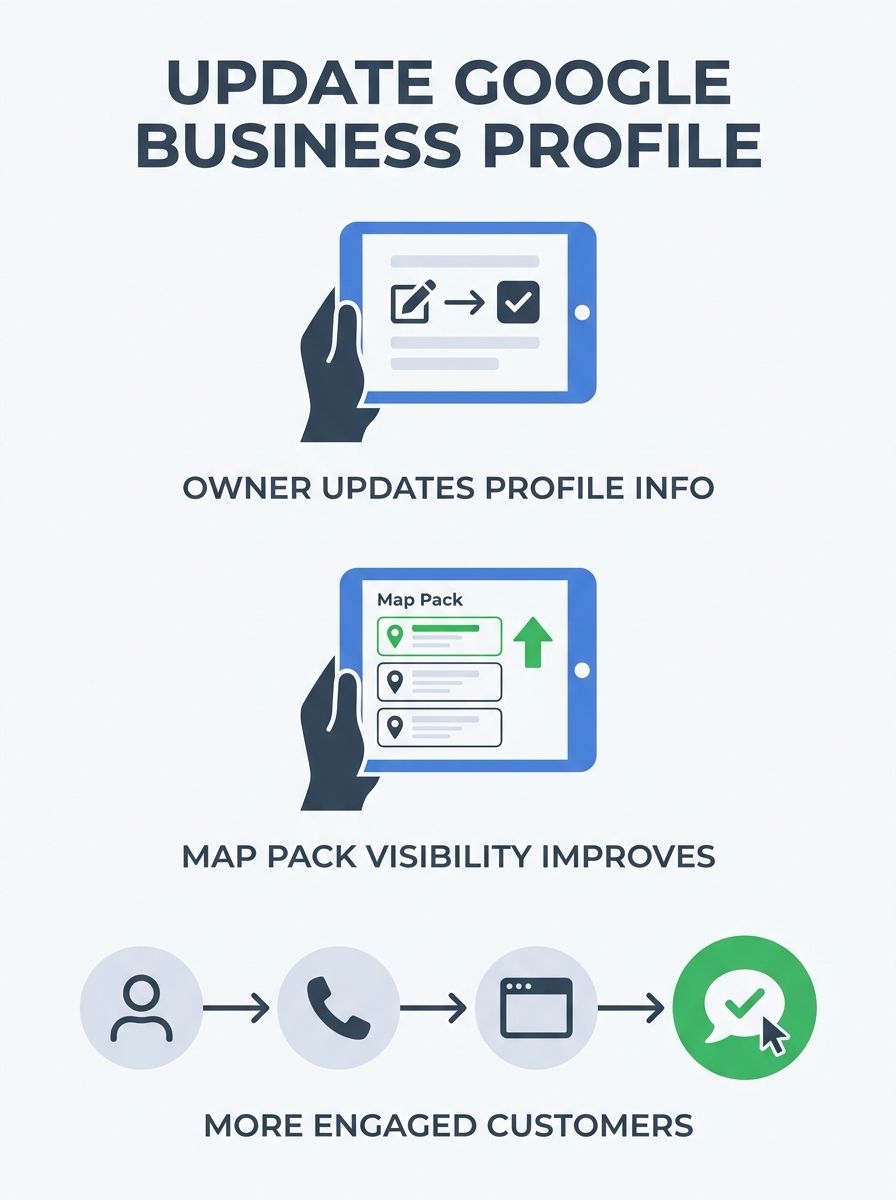
Core Tactics Drive Local Pack Visibility
The guide details five primary optimization levers. Google Business Profile completion requires filling every available field including accurate name-address-phone data, business hours, service categories, product listings, high-quality photos, and regular posts. On-page optimization targets location-specific keywords embedded naturally in title tags, meta descriptions, and LocalBusiness schema markup. Citation consistency across Apple Maps, Bing Places, Yelp, Facebook, industry directories, and local chambers of commerce prevents the NAP data conflicts that suppress local rankings.
Review generation forms the fourth lever. The analysis cautions against purchasing fake reviews, noting that Google's manipulation detection has accelerated, and recommends structured request systems using QR codes at checkout and post-service text follow-ups. Local content creation anchors the fifth tactic, with neighborhood event coverage, seasonal guides, and customer stories building topical authority that drives featured snippet placement.
Advanced implementations layer 50-plus consistent directory listings, location-specific landing pages with unique content for each service area, and weekly Google Business Profile updates. Businesses maintaining this cadence typically observe measurable traffic growth within three to six months, according to the published framework.
Mobile Experience and Tracking Infrastructure
The guide flags mobile site performance as a critical failure point. Google's mobile-first indexing prioritizes fast-loading pages optimized for smartphone screens, and the analysis reports that businesses ignoring mobile experience lose visibility regardless of other optimization work. Duplicate or thin location pages represent a second common error, where businesses create multiple city pages with identical content rather than unique local information.
Tracking infrastructure gaps prevent most small businesses from measuring local SEO impact. The framework recommends configuring Google Analytics goals for phone calls, direction requests, and contact form submissions, then auditing performance quarterly against top-ranking local competitors. Businesses that skip tracking lack the visibility to identify which tactics drive revenue and which consume budget without return.
The publication positions local SEO as a continuous system rather than a project with a completion date. Initial foundation work spans the first month, covering Google Business Profile claim and optimization, NAP consistency corrections, and website title tag localization. Weeks two through four focus on content production (four to six local articles) and weekly profile posting. Ongoing maintenance includes review solicitation, community engagement, and quarterly citation audits.
Business owners managing their own local SEO presence can benchmark their current setup against the framework's tactical checklist, identifying which foundational elements remain incomplete and which advanced layers offer incremental visibility gains.
What This Means for Business Owners
Small business owners competing for local customers should treat their Google Business Profile as the primary digital storefront rather than a supplementary listing. The three-to-five-times multiplier on calls and direction requests represents tangible revenue impact, particularly for service businesses where phone inquiries convert at higher rates than website form fills. The 46 percent local search intent figure confirms that proximity-based queries constitute nearly half of Google's total search volume, making local visibility essential rather than optional for businesses serving geographic markets.
The three-to-six-month timeline for measurable results requires sustained execution rather than sporadic optimization bursts. Business owners should allocate weekly time blocks for Google Business Profile updates, review responses, and local content creation, treating these activities as core marketing functions with direct revenue attribution. The citation consistency requirement across 50-plus directories demands either dedicated internal resources or agency support, as manual audits become impractical at scale.
Marketing managers evaluating whether to handle local SEO internally or engage specialized agencies should assess capacity for the continuous maintenance model the framework describes. Quarterly audits, weekly posting schedules, and structured review collection systems require process discipline that many small teams lack alongside daily operations. The published tactics provide a diagnostic checklist for identifying optimization gaps without committing to full-scale agency engagements, allowing businesses to scope their deficits before allocating budget.
Marcus Webb
Digital marketing consultant and agency review specialist. With 12 years in the SEO industry, Marcus has worked with agencies of all sizes and brings an insider perspective to agency evaluations and selection strategies.
Related Articles

SEO Agency Publishes 11-Step Local SEO Workflow Framework Addressing Google Business Profile Optimization and Multi-Client Efficiency
An 11-step local SEO workflow framework for agencies managing multiple clients was published September 21 by Google, addressing Google Business Profile optimization, citation management, and review response strategies in response to findings that 46 percent of all Google searches now target local in
Small Local Businesses Hold Structural Search Advantage Over National Chains Through Proximity Signals
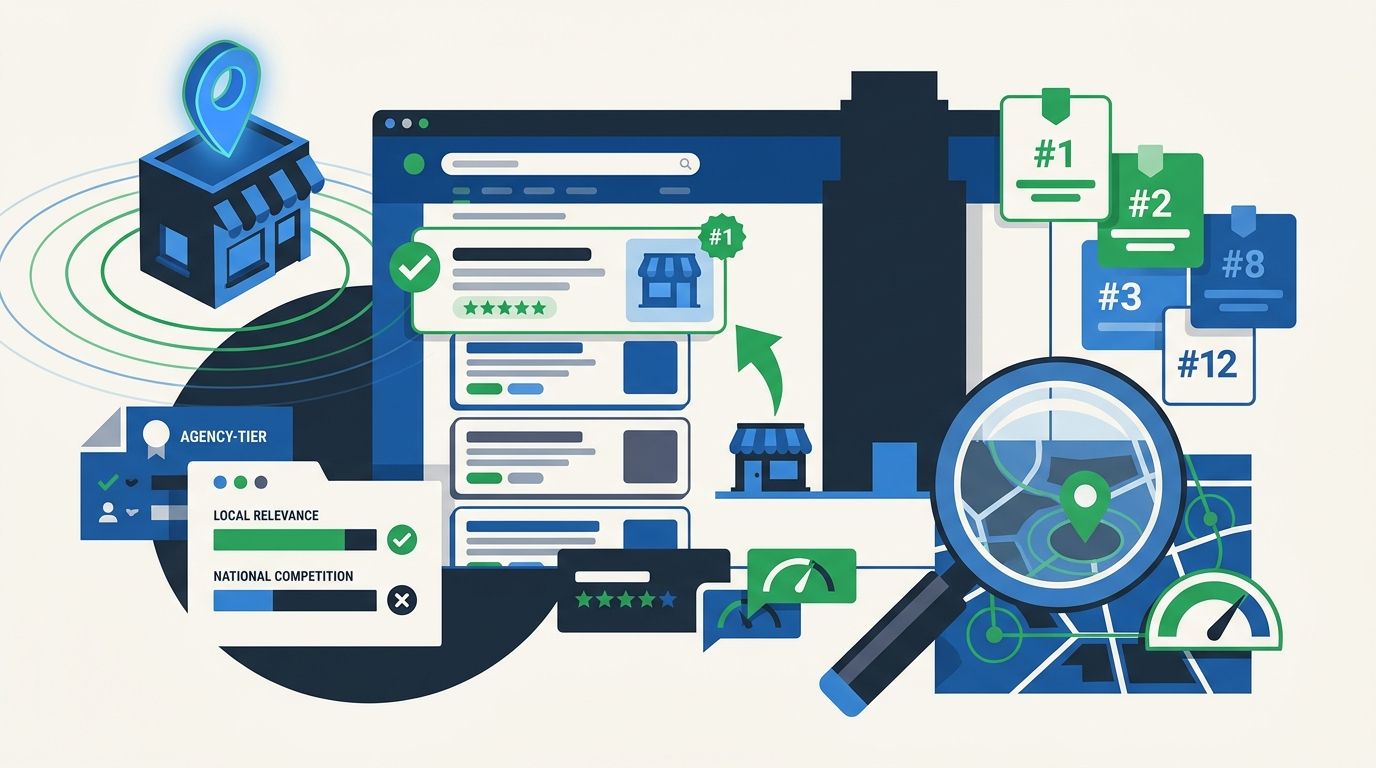
Proximity-based ranking factors give single-location businesses a structural advantage over national chains in local search results, allowing firms with complete Google Business Profile listings and recent reviews to outrank 900-branch competitors in map pack placements, according to an analysis pub

Search Engine Journal Updates Multi-Location SEO Framework for AI-Powered Search Era
Search Engine Journal published a revised multi-location SEO framework on June 9 that repositions Google's local ranking factors as entity-matching mechanisms rather than directory lookups, according to the guide authored by the publication's technical SEO team. The framework addresses how businesse
Explore more topics