
Fort Worth Trade, Logistics, and Defense Sectors Require Distinct B2B SEO Strategy, Analysis Shows
Fort Worth's concentration of trade, logistics, and defense industries requires distinct keyword research and content strategies beyond consumer-focused SEO, according to a strategic analysis published September 23 by Keygrow addressing business-to-business search demand in Tarrant County markets.
 Marcus Webb··3 min read
Fort Worth Trade, Logistics, and Defense Sectors Require Distinct B2B SEO Strategy, Analysis Shows
Fort Worth's concentration of trade, logistics, and defense industries requires distinct keyword research and content strategies beyond consumer-focused SEO, according to a strategic analysis published September 23 by Keygrow addressing business-to-business search demand in Tarrant County markets.
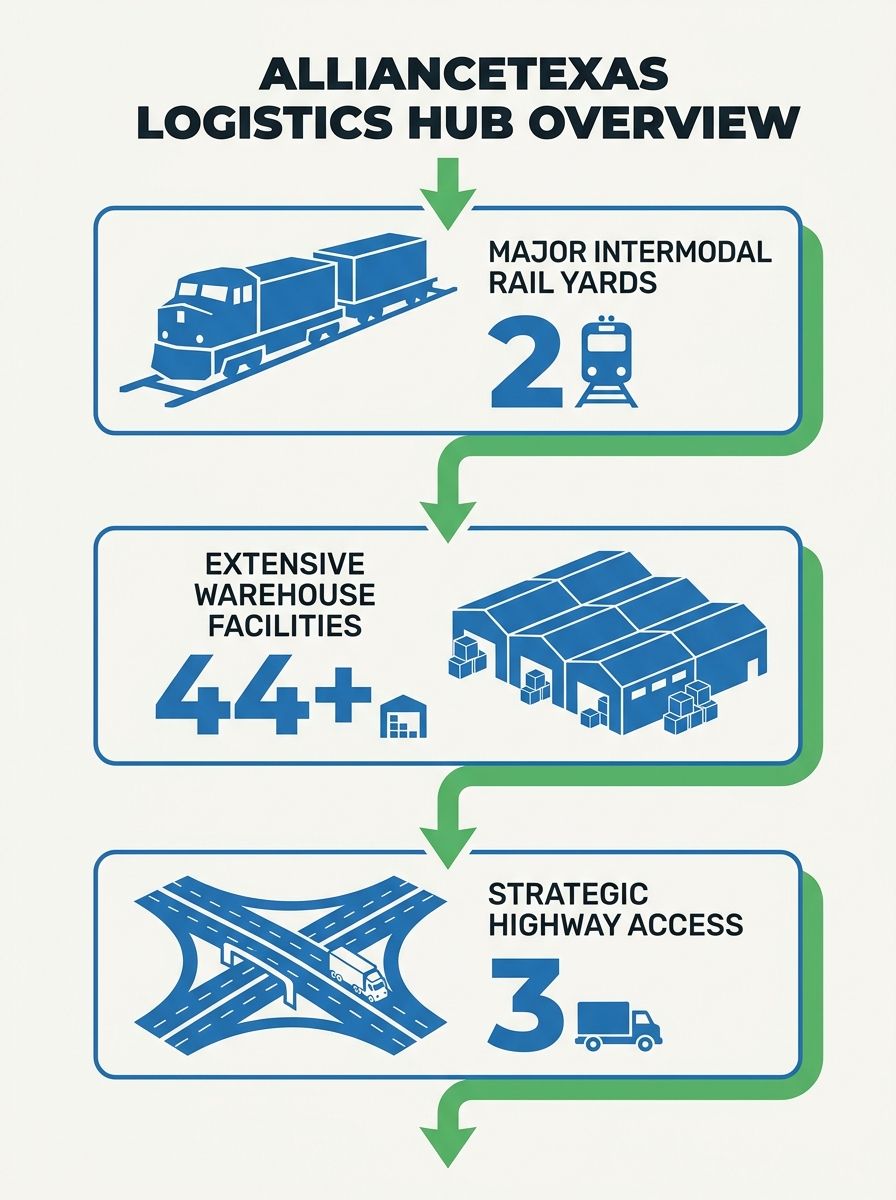
The analysis identifies AllianceTexas as one of the largest inland logistics hubs in the United States and cites major aerospace employers including Lockheed Martin, Bell, and Naval Air Station Joint Reserve Base Fort Worth as drivers of specialized search behavior that differs from typical local market patterns. The regional economy's foundation in transportation, manufacturing, and defense contracts creates search intent focused on procurement, vendor qualification, and commercial partnerships rather than direct consumer services.
"In many cities, local search campaigns focus heavily on consumer intent," the analysis states. "In Fort Worth, however, a significant portion of search demand may come from businesses seeking vendors, service providers, consultants, equipment suppliers, maintenance companies, software solutions, staffing agencies, and specialized contractors."
B2B Search Demand Replaces Consumer-Focused Queries
The report documents how B2B SEO agencies serving Fort Worth clients must account for procurement teams, engineers, and business decision makers conducting research using industry-specific terminology rather than consumer convenience phrases. Commercial searchers typically perform deeper research, compare multiple providers, and prioritize demonstrated expertise over proximity or reviews alone, according to the framework.
The logistics concentration at AllianceTexas creates demand for fleet maintenance, industrial equipment, warehousing solutions, staffing services, security providers, IT support, transportation consulting, environmental services, and construction contractors, the analysis notes. Each service category requires location-specific content addressing operational requirements within the Fort Worth logistics ecosystem rather than generic service descriptions.
Defense Industry Search Uses Specialized Language
Aerospace and defense sector search behavior introduces compliance services, engineering support, manufacturing capabilities, supply chain solutions, workforce development, technical certifications, and facility maintenance queries into local search volume, the framework shows. Fort Worth's position as one of North America's leading aerospace and defense hubs creates specialized keyword opportunities tied to regulatory requirements and qualification standards.
The analysis emphasizes that decision makers in defense-related sectors evaluate experience, certifications, project history, and partnerships through technical content demonstrating expertise rather than marketing messages. Ranking for defense-related queries requires educational resources explaining processes, regulations, qualifications, and capabilities specific to government contracting requirements.
"These searches frequently involve industry-specific language and complex decision-making processes," the report states. Businesses targeting defense sectors must create content addressing compliance frameworks and technical specifications that residential service providers typically omit from local SEO strategies.
Keyword Research Extends Beyond Consumer Phrases
The framework recommends keyword research incorporating commercial terminology reflecting actual business demand patterns rather than consumer search volume alone. Transportation hub operations, intermodal cargo handling, industrial site requirements, and aerospace manufacturing capabilities generate search queries using professional vocabulary distinct from home services, healthcare, or retail patterns.
Manufacturing SEO agencies serving Fort Worth clients should develop content around facility certifications, production capacity, lead times, and quality standards rather than consumer-focused convenience messaging, according to the analysis. The region's manufacturing concentration creates opportunities for technical content addressing specific operational requirements and industry standards.
Local authority in trade, logistics, and defense markets depends on demonstrating technical expertise, regulatory compliance, and industry certifications rather than accumulating consumer reviews alone, the framework notes. Decision makers in these sectors evaluate suppliers through project portfolios, case studies, technical specifications, and qualification documentation that traditional local SEO approaches may not prioritize.
Services Implications
CMOs and marketing managers overseeing SEO campaigns for industrial, logistics, or defense-related businesses should audit existing keyword strategies to identify whether content addresses commercial search intent or relies solely on consumer-focused local optimization. Markets with significant aerospace, manufacturing, or logistics concentration require content strategies demonstrating technical capability and regulatory compliance rather than convenience-based positioning.
Agencies serving clients in Fort Worth and similar markets with strong B2B concentrations should expand keyword research to capture procurement terminology, industry-specific qualifications, and commercial decision-making queries. The analysis suggests that entity-based optimization approaches help establish authority in specialized industry verticals where commercial searchers evaluate suppliers through technical credentials rather than proximity signals alone.
The framework's emphasis on industry-specific content creation and commercial intent optimization provides a reference point for agencies differentiating B2B local SEO strategies from consumer-focused approaches that dominate most local search frameworks.
Marcus Webb
Digital marketing consultant and agency review specialist. With 12 years in the SEO industry, Marcus has worked with agencies of all sizes and brings an insider perspective to agency evaluations and selection strategies.
Related Articles

Manufacturing SEO Without the Generic Playbook: Industry-Specific Keyword Research for B2B Technical Buyers
Three keyword research strategies dominate manufacturing SEO today: specification-led targeting, buyer intent signal mapping, and stakeholder segmentation. Each works for different situations, and picking the wrong one burns budget on traffic that never converts to RFQs.

Small Local Businesses Hold Structural Search Advantage Over National Chains Through Proximity Signals
Proximity-based ranking factors give single-location businesses a structural advantage over national chains in local search results, allowing firms with complete Google Business Profile listings and recent reviews to outrank 900-branch competitors in map pack placements, according to an analysis pub

Enterprise B2B SEO Leaders Now Differentiated by AI-Answer Optimization and Governance Systems
Governance systems, large-site technical execution, and the ability to convert existing authority into AI-answer citations now separate enterprise B2B SEO category leaders from agencies that simply serve large clients, according to advisory guidance NEWMEDIA.COM released July 4 analyzing what define
Explore more topics