
Google Changes How Search Terms Are Reported for AI-Powered Search Experiences
Google has revised its Ads reporting documentation to clarify that search terms displayed for AI-powered search experiences may reflect the company's interpretation of user intent rather than the actual query entered, according to updated help pages published May 13, 2026. The change applies to inte
 Marcus Webb··3 min read
Google Changes How Search Terms Are Reported for AI-Powered Search Experiences
Google has revised its Ads reporting documentation to clarify that search terms displayed for AI-powered search experiences may reflect the company's interpretation of user intent rather than the actual query entered, according to updated help pages published May 13, 2026. The change applies to interactions involving AI Mode, AI Overviews, Google Lens, and autocomplete.
The update appeared within Google's help documentation covering ad group prioritization and was first identified by Anthony Higman, who shared his findings on LinkedIn. The revised language indicates that advertisers reviewing search terms reports for these AI-driven experiences may see normalized or interpreted versions of user interactions instead of literal queries.
What Changed in Google's Documentation
Google's updated documentation now states that search terms associated with AI-powered experiences may reflect inferred meaning or intent behind a search rather than the exact text typed by a user. The clarification specifically mentions AI Mode, AI Overviews, Lens, and autocomplete as the experiences affected by this reporting methodology.
Search terms reports have historically served as a direct window into user behavior, allowing advertisers to identify negative keywords, review compliance concerns, and spot optimization opportunities. The reports have never provided complete visibility, but advertisers generally operated under the assumption that displayed search terms represented actual queries entered by users.
Under the revised approach, advertisers could see search terms in their reports that were never directly typed by any user. Google may surface what it determines to be a normalized or interpreted version of the interaction instead.
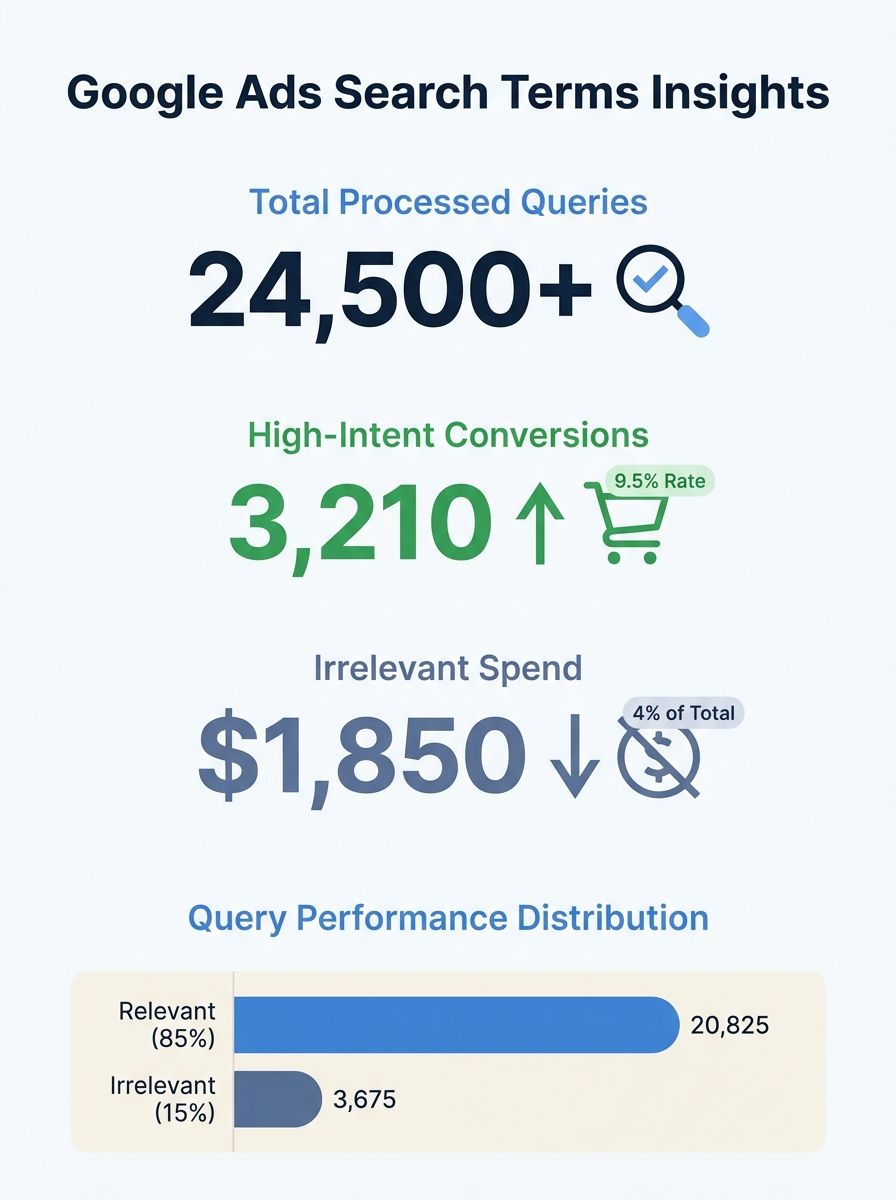
Why Google Implemented This Reporting Change
The documentation update likely addresses practical challenges in reporting on AI-powered search experiences, particularly as Google expands ad placements within these environments. Traditional search reporting was built around direct keyword queries, but AI-powered interactions do not always follow that pattern.
Users conducting searches through AI Mode may refine queries across multiple conversational prompts. Google Lens interactions involve visual searches rather than typed text. Autocomplete suggestions may lead users to complete searches differently than they originally intended. In many cases, no single clean keyword query exists for Google to surface in a traditional search terms report.
Privacy considerations may also factor into the change. As search becomes more conversational, users naturally provide more context in their interactions. Google may prefer not to expose every raw AI prompt, image-based search, or conversational refinement directly inside advertiser reports.
Implications for Campaign Tracking and Optimization
The shift creates complications for advertisers who rely heavily on search term analysis for campaign management. Regulated industries review search terms closely for compliance and brand safety concerns. B2B advertisers use query reports to identify customer pain points and emerging use cases. Ecommerce advertisers build negative keyword lists and refine product segmentation based on search term data.
If reported terms become interpreted summaries rather than direct queries, advertisers face uncertainty about how confidently they can optimize against that data. A marketer reviewing a search terms report could assume they are examining direct customer language when the term actually represents Google's interpretation of the interaction.
The change adds another layer to an ongoing trend within Google Ads. Advertisers have already adjusted to reduced search term visibility, heavier automation reliance, broader matching behavior, and increased modeled reporting over the past several years.
Several questions remain unanswered in Google's documentation. The company has not publicly explained how much interpretation occurs in each case, whether advertisers can distinguish modeled terms from literal queries, how negative keywords interact with interpreted intent, or whether reporting consistency could shift as AI models evolve.
For advertisers using AI-driven search strategies, the distinction between actual queries and interpreted intent becomes particularly important when building keyword strategies and content approaches. Those conducting regular performance audits will need to account for this reporting methodology when analyzing campaign data.
What This Means for Business Owners
Business owners evaluating agency partners should ask direct questions about how search term reporting limitations affect campaign optimization and budget allocation. Agencies managing Google Ads campaigns now work with less granular query data than they did 24 months ago, and this AI search reporting change compounds that visibility reduction.
When reviewing monthly reports from your agency or in-house team, understand that search terms listed for AI-powered experiences may represent Google's interpretation rather than the exact language your potential customers used. This matters most for businesses in regulated industries, those tracking brand safety closely, or companies using search term insights to inform product development and content strategy.
Request that your agency document their approach to campaign optimization given reduced query visibility. Strong agencies will explain how they use conversion quality signals, audience behavior patterns, and broader intent themes to compensate for the loss of exact query data. If an agency cannot articulate their optimization methodology beyond "we review the search terms report," that signals a gap in their strategic capabilities as AI search reporting continues to evolve.
Marcus Webb
Digital marketing consultant and agency review specialist. With 12 years in the SEO industry, Marcus has worked with agencies of all sizes and brings an insider perspective to agency evaluations and selection strategies.
Related Articles
Google Replaces Traditional Search with Gemini 3.5 Flash AI Model in Self-Described "Biggest Change in 25 Years"
Google replaced its traditional search results interface with AI-generated summary pages powered by the Gemini 3.5 Flash language model, the company announced June 20, 2026, calling the shift "the biggest change to Search in 25 years," according to the company's announcement. The new system replaces
Google Adds Further Exploration Links to AI Overviews as Publisher Traffic Decline Reaches 58 Percent
Google deployed five updates to AI Overviews and AI Mode on May 6, 2026, designed to direct more traffic to publisher websites, according to The Next Web. The rollout arrives as the search giant faces antitrust lawsuits from Penske Media and a European Commission investigation into whether AI-genera
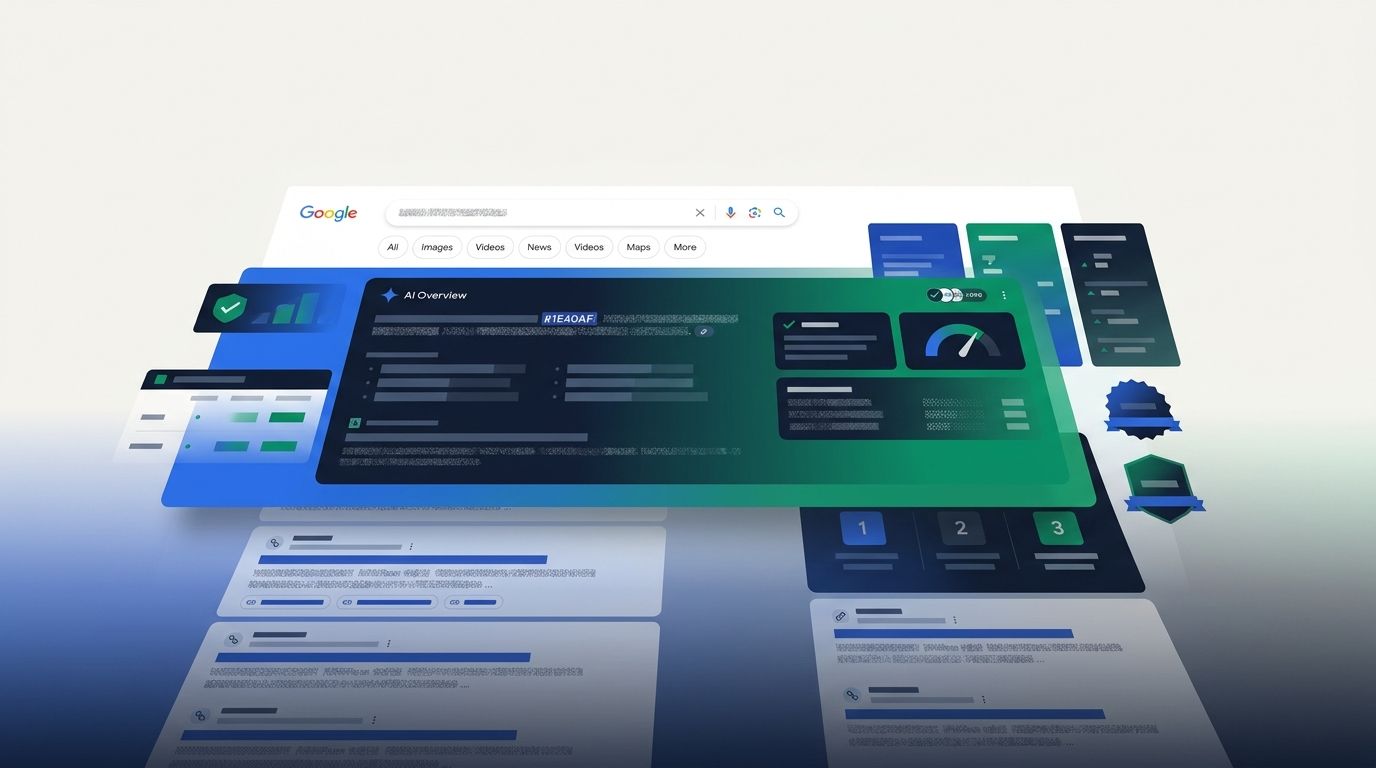
Google Automatically Expands AI Overviews, Pushing Organic Results Further Down Search Pages
Google now automatically expands AI Overviews at the top of search results pages for certain queries, eliminating the "Show more" button and pushing traditional organic link listings significantly lower on the page, according to a report published August 28 by Search Engine Roundtable.
Explore more topics