
AI Search Systems Now Require Multi-Intent Content Pages, New Optimization Framework Shows
Query fan-out optimization requires content creators to address multiple related search intents within a single page rather than distributing subtopics across separate URLs, according to a new guide published by Search Engine Land on April 21. The framework represents a structural shift from traditi
 Marcus Webb··3 min read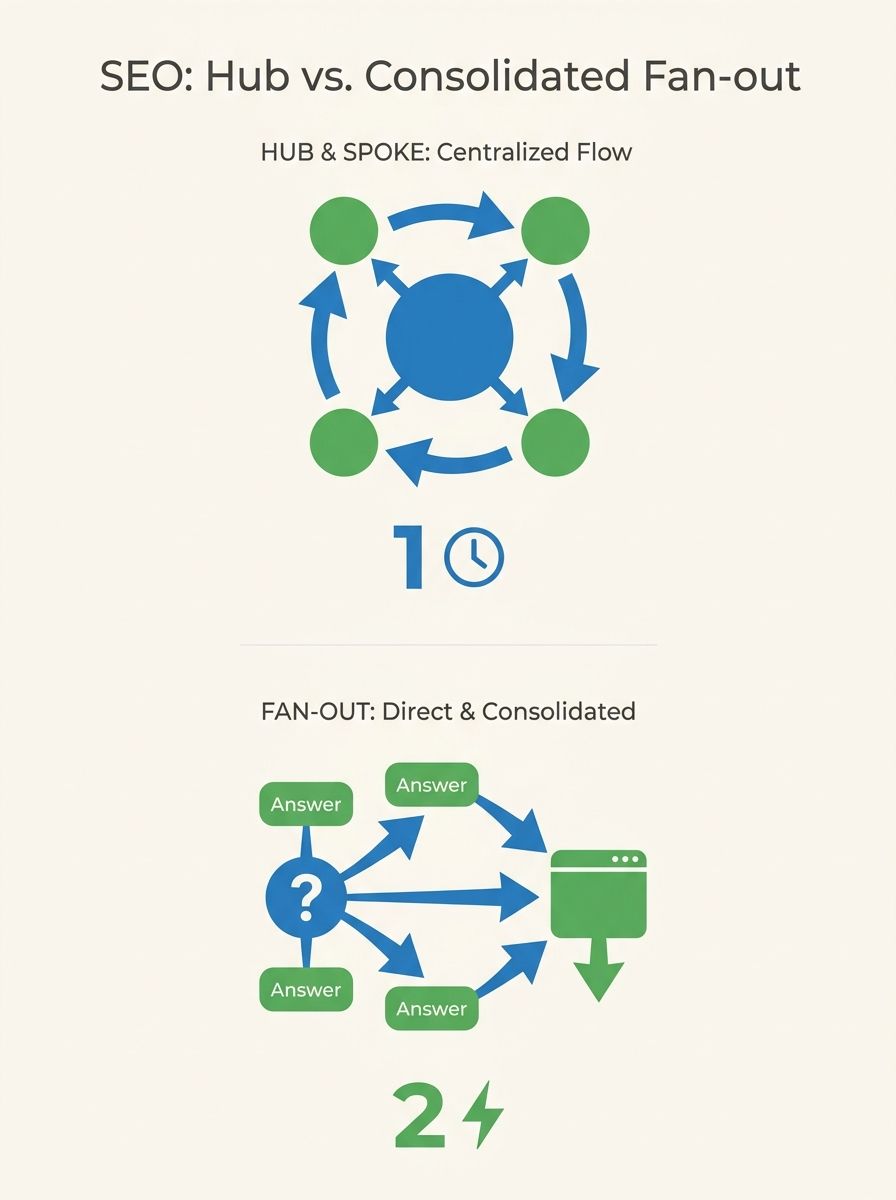
AI Search Systems Now Require Multi-Intent Content Pages, New Optimization Framework Shows
Query fan-out optimization requires content creators to address multiple related search intents within a single page rather than distributing subtopics across separate URLs, according to a new guide published by Search Engine Land on April 21. The framework represents a structural shift from traditional hub-and-spoke SEO models as AI-powered search platforms increasingly expand original queries into related sub-questions before generating responses.
The optimization approach stems from how modern AI search systems process information requests. Google's AI Overviews, Perplexity, ChatGPT, Microsoft Copilot, and similar platforms decompose complex queries into multiple related searches before synthesizing answers, according to the guide. Content that consolidates answers to these expanded queries performs better in AI-generated results than fragmented topic clusters spread across multiple pages.
Google explicitly documents query fan-out behavior in its AI Overviews and AI Mode systems, where multiple related searches across subtopics are issued before displaying a synthesized response, the guide notes. Perplexity's documentation similarly explains how multiple related queries are issued together to improve topic coverage.
How Query Expansion Changes Content Requirements
Traditional SEO content strategies separate primary topics from subtopics using distinct pages connected by internal links. A main page targets the core keyword while supporting pages address individual aspects, creating what the industry calls a hub-and-spoke model.
Query fan-out optimization reverses this structure. The main topic page becomes the container for related sub-queries, addressed as clearly labeled sections or question-based headings within the same content piece. This consolidation aligns with how AI systems evaluate sources during query expansion.
AI search platforms assess whether a single source can support multiple aspects of an expanded query simultaneously, according to the guide. Systems retrieve and synthesize information from sources that remain useful as queries fan out into related questions about definitions, constraints, examples, and implications of the original topic.
Platform Implementation Across Major AI Search Systems
The query expansion pattern appears across AI-assisted search experiences designed to generate synthesized answers rather than return link lists. Large language models including Gemini, ChatGPT, Microsoft Copilot, and Grok exhibit fan-out behavior when grounding answers in external sources, even when public documentation doesn't explicitly use the term "query fan-out."
Each platform implements expansion differently, but the underlying behavior remains consistent. Original queries serve as starting points rather than final instructions. AI systems infer additional information users need for useful answers, triggering follow-up searches that explore related concepts.
The responses users receive result from this internal expansion process. Multiple queries are issued, multiple sources are evaluated, and final outputs are synthesized from combined results. Content answering only one narrow angle may still be retrieved but becomes easier to replace as fan-out expands.
Content Structure Changes for AI Retrieval
The optimization framework focuses on making single pages resilient to query expansion. When AI systems ask follow-up questions on behalf of users, content must support multiple related angles within the same URL to maintain visibility across synthesized responses.
This changes competitive dynamics for content. When subtopics fragment across multiple URLs, AI systems retrieve and combine information from several sources. Consolidated pages satisfying larger portions of expanded query sets appear more consistently in AI-generated responses.
The guide emphasizes that query fan-out optimization isn't about targeting new keywords. The focus centers on structuring content to hold up as queries expand, making broader topic coverage a prerequisite for AI search visibility rather than an optional enhancement.
What This Means for Business Owners
Business owners evaluating SEO agencies should verify that content strategies account for query fan-out patterns in AI search systems. Traditional hub-and-spoke models that worked for Google's link-based results may underperform in AI-generated answers that consolidate information from single comprehensive sources. Agencies still building separate pages for every subtopic variation may not be optimizing for how customers actually find information in 2026.
Marketing managers should audit existing content clusters to identify opportunities for consolidation. If your company maintains five separate pages about related aspects of a core service, those pages may compete against each other in AI search results while losing citations to competitors who address all five aspects in one authoritative resource. The shift doesn't eliminate the value of deep subtopic pages, but it changes how primary topic pages need to be structured.
CMOs planning content investments for the next 12-18 months should prioritize comprehensive topic coverage over volume of individual pages. A single well-structured page addressing ten related queries may generate more AI search visibility than ten separate pages each answering one query. This represents a measurable shift in how content budgets translate to search performance across the platforms where business buyers now conduct research.
Marcus Webb
Digital marketing consultant and agency review specialist. With 12 years in the SEO industry, Marcus has worked with agencies of all sizes and brings an insider perspective to agency evaluations and selection strategies.
Explore more topics