
SearchEngineLand Publishes Seasonal SEO Framework to Prevent Traffic Misdiagnosis
SearchEngineLand published a comprehensive implementation guide April 22 addressing how SEO practitioners should distinguish seasonal traffic fluctuations from algorithmic penalties, a diagnostic challenge that wastes agency resources during predictable demand cycles, according to the publication.
 Marcus Webb··3 min read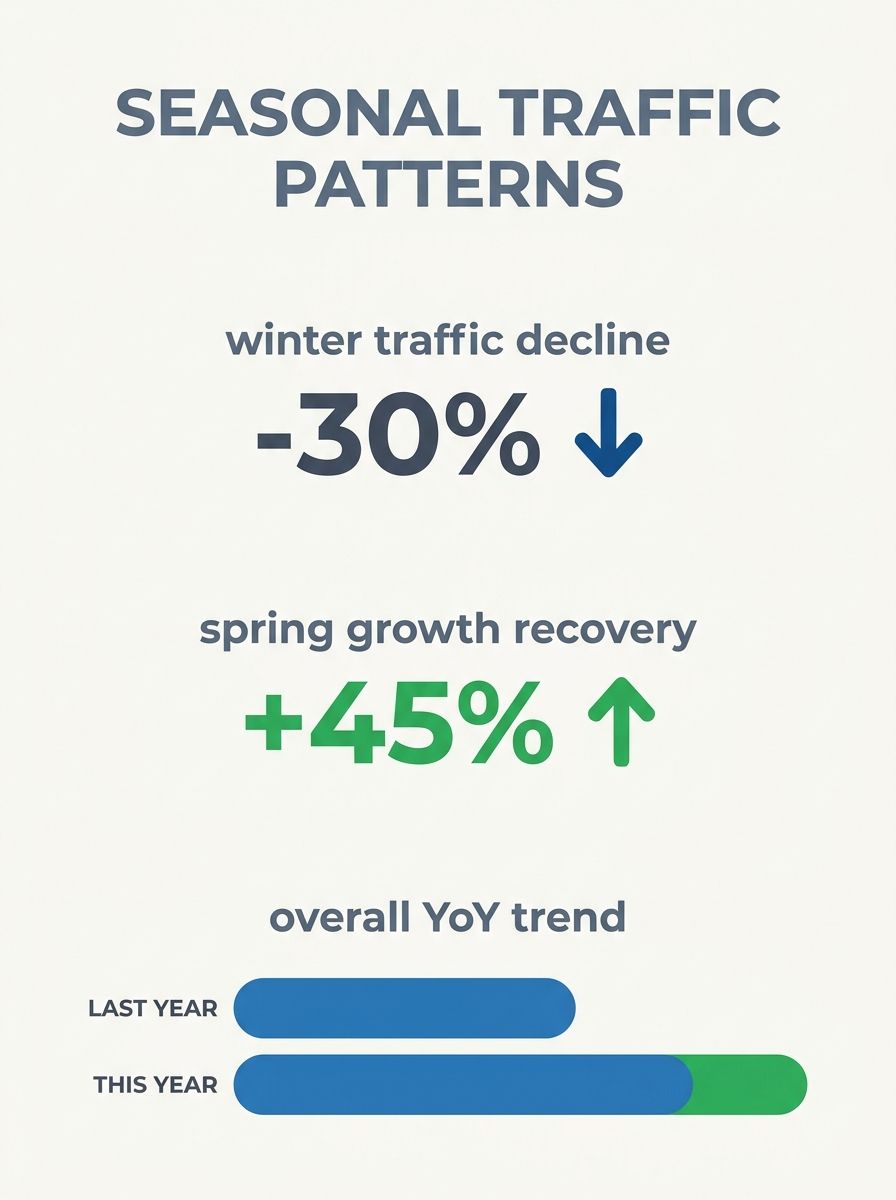
SearchEngineLand Publishes Seasonal SEO Framework to Prevent Traffic Misdiagnosis
SearchEngineLand published a comprehensive implementation guide April 22 addressing how SEO practitioners should distinguish seasonal traffic fluctuations from algorithmic penalties, a diagnostic challenge that wastes agency resources during predictable demand cycles, according to the publication.
The 20-minute guide, written by Christy Correll and edited by Isla McKetta, frames seasonality as "the predictable, recurring fluctuation of search behavior, keyword volume, and website traffic that happens at specific times of the year." The framework targets ecommerce operations, local service providers, B2B companies, and multi-region brands experiencing year-over-year traffic variations.
Core Diagnostic Framework
The guide establishes a three-step diagnostic protocol for agencies evaluating traffic drops. SearchEngineLand recommends pulling year-over-year traffic comparisons before investigating technical issues, checking external trend signals through tools showing industry-wide search volume patterns, and setting up monitoring routines that flag seasonal versus anomalous changes.
A pool supply store example illustrates the misdiagnosis risk. A 40% November traffic decline might trigger technical audits and algorithm penalty investigations when historical data shows the identical pattern occurred the previous November, with recovery beginning each March.
The publication identifies impression volume and query mix as leading indicators that precede click and conversion changes. This sequencing allows agencies to forecast revenue impact before stakeholders notice traffic declines in reporting dashboards.
Publication Timing Recommendations
SearchEngineLand's framework emphasizes content readiness windows ahead of demand spikes. The guide cites a tax preparation service publishing small business deduction content in November, allowing three months for indexing and backlink accumulation before January search volume peaks.
The recommendation challenges common content calendars that align publication dates with demand peaks. A florist example shows Valentine's Day content published in early December outranking competitors who launched seasonal pages in late January, when crawl budgets and ranking algorithms had insufficient time to establish page authority.
Resource allocation guidance suggests pausing low-value content production during documented off-seasons. A landscaping company case redirects December and January blog budgets toward spring lawn care page refreshes, matching effort to demonstrated search demand cycles.
Identified Risk Categories
The guide documents three primary risk vectors. Volatility risk stems from search result layout shifts during peak periods, with Black Friday shopping carousels pushing organic listings lower despite unchanged rankings. Content cannibalization occurs when multiple seasonal pages compete for identical queries across calendar periods. Mistiming risk affects campaigns launched too close to demand windows for algorithmic evaluation.
SearchEngineLand notes that volatility creates a disconnect between ranking position and traffic. A gift guide maintaining third position in October might experience 40% lower click-through rates in November due to expanded shopping features occupying screen real estate above the fold.
Stakeholder Communication Framework
The publication addresses reporting challenges when presenting seasonal declines to executives unfamiliar with cyclical patterns. Year-over-year comparison charts become the recommended baseline, showing current-month performance against the same period in previous years rather than against preceding months.
The guide recommends establishing seasonal benchmarks during initial client onboarding or annual planning cycles, preventing reactive explanations when traffic drops align with predictable demand patterns. This proactive approach shifts agency-client conversations from problem diagnosis to performance optimization within established seasonal parameters.
Reading Between the Lines
This publication arrives as agencies face increasing pressure to demonstrate ROI amid tighter marketing budgets and shorter evaluation windows. The emphasis on diagnostic frameworks over tactical checklists suggests SearchEngineLand recognizes that misdiagnosis costs—wasted audit hours, unnecessary technical fixes, stakeholder credibility damage—exceed the value of seasonal optimization itself.
The timing recommendations create a natural argument for retainer continuity during off-seasons. Agencies can reframe low-traffic months as strategic preparation periods rather than performance failures, maintaining budget allocation while building competitive advantages for upcoming demand cycles. The landscaping example explicitly models this: pause visible output, redirect resources to pre-seasonal positioning.
The stakeholder communication section addresses a fundamental agency vulnerability. When traffic declines coincide with contract renewals or budget reviews, historical comparison frameworks become defensive assets. An agency demonstrating that a January dip matches three-year patterns deflects performance questions more effectively than one explaining algorithm updates or technical issues. The guide essentially provides agencies with a language and evidence structure for managing client expectations across annual cycles, reducing churn risk tied to seasonal misunderstandings.
Marcus Webb
Digital marketing consultant and agency review specialist. With 12 years in the SEO industry, Marcus has worked with agencies of all sizes and brings an insider perspective to agency evaluations and selection strategies.
Explore more topics